
Latest Blog
The Hidden Cost of Poor Indoor Air Quality in Workplaces
Most employers focus on visible workplace issues such as equipment, safety procedures, and office design. Yet one of the biggest threats to employee wellbeing often goes unnoticed: the air people breathe every day. Poor indoor air quality can quietly reduce productivity, increase sick leave, and affect employee morale without obvious warning signs.
Since employees spend around 90% of their working hours indoors, the quality of workplace air directly impacts health and business performance. Across Ireland and the UK, organisations are increasingly recognising that investing in cleaner indoor air is not simply about compliance.
It is a practical business decision that protects employees, supports operational efficiency, and creates healthier environments where people can perform at their best.
What Is Poor Indoor Air Quality?
Poor indoor air quality refers to indoor air that contains pollutants, allergens, excessive humidity, or insufficient fresh-air circulation, potentially affecting occupants’ health and comfort.
Common workplace air pollutants include:
- Dust and airborne particles
- Carbon dioxide (CO₂)
- Volatile Organic Compounds (VOCs)
- Mould spores
- Bacteria and viruses
- Cleaning chemical waste products
- Outdoor pollutants entering the building
Many modern buildings are designed to conserve energy through airtight construction. While energy efficiency is valuable, poor airflow without effective indoor air quality management can allow pollutants to accumulate throughout the day.
The Financial Impact Businesses Commonly Avoid
The costs associated with poor indoor air quality extend far beyond employee discomfort.
Increased Sick Leave
Employees working in buildings with poor air circulation are more likely to experience:
- Headaches
- Fatigue
- Allergies
- Respiratory irritation
- Asthma flare-ups
- Frequent colds and infections
Even a slight increase in absenteeism can lead to high operational costs over time, especially in larger workplaces.
Reduced Productivity
Air quality directly affects cognitive performance.
Research has shown that elevated CO₂ levels and poor ventilation can reduce concentration, decision-making ability, and problem-solving skills. Employees may struggle to stay focused, resulting in slower work and more mistakes.
For businesses, this hidden productivity loss often far exceeds the cost of improving the building’s ventilation system.
Higher Staff Turnover
Employees notice when a workplace feels uncomfortable.
Persistent stale air, unpleasant odours, excessive humidity, or recurring health complaints can contribute to dissatisfaction.
A healthier work environment improves employee retention and supports recruitment efforts.
How Poor Air Quality Affects Employee Health
Poor indoor air quality rarely causes immediate serious illness, but long-term exposure can gradually affect overall well-being.
Employees commonly report:
- Dry or irritated eyes
- Persistent coughing
- Sinus congestion
- Difficulty concentrating
- Dizziness
- Low energy
- Skin irritation
Over time, these symptoms can become more frequent if the underlying ventilation problems remain unresolved.
In some buildings, prolonged exposure contributes to conditions associated with sick building syndrome, where occupants experience recurring symptoms that improve after leaving the workplace.
Signs Your Workplace May Have Poor Indoor Air Quality
Many businesses don’t realise there is a problem until employee complaints become more frequent.
Warning signs include:
- Stuffy meeting rooms
- Condensation on windows
- Uneven temperatures
- Persistent unpleasant smells
- Visible mould growth
- Employees regularly experience headaches
- Excessive dust accumulation
- Rooms that feel uncomfortable despite heating or cooling
These symptoms often indicate poor airflow or poor ventilation, both of which should be addressed before they lead to more serious issues.
Create a healthier, more comfortable workplace with expert commercial ventilation solutions tailored to your business needs.
Why Fresh Air Ventilation Matters
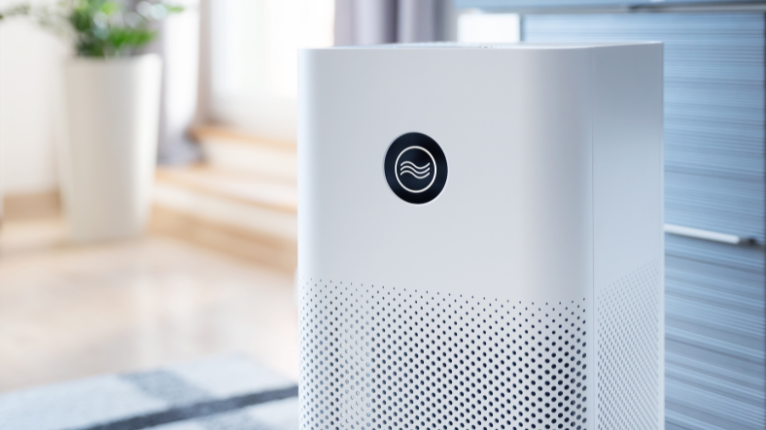
A well-designed fresh air ventilation system continuously replaces stale indoor air with filtered outdoor air.
Benefits include:
- Lower CO₂ levels
- Reduced airborne contaminants
- Better humidity control
- Improved employee comfort
- Healthier working environments
- Enhanced concentration
Rather than simply circulating existing indoor air, fresh air systems dilute pollutants and help maintain healthier indoor conditions throughout the working day.
This is particularly important in offices, schools, healthcare facilities, retail spaces, and other commercial environments where many people share the same indoor space.
The Role Of Commercial Ventilation Systems
Modern commercial ventilation systems do much more than regulate temperature.
Today’s systems are designed to:
- Deliver consistent fresh airflow
- Remove stale indoor air
- Filter airborne particles
- Improve humidity balance
- Support energy efficiency
- Help buildings meet indoor air quality standards
When properly designed and maintained, commercial ventilation creates healthier workplaces while helping reduce long-term operating costs.
Practical Steps To Improve Indoor Air Quality
Improving workplace air quality doesn’t always require major building renovations.
Businesses can start with several practical measures:
1. Assess Existing Ventilation
Review whether current ventilation systems are providing sufficient fresh outdoor air throughout the building.
2. Maintain HVAC Systems
Regular inspection, cleaning, and filter replacement ensure that ventilation systems continue to operate efficiently.
3. Monitor Indoor Air
Air quality monitoring helps identify issues such as elevated CO₂, humidity, or airborne pollutants before they become larger problems.
4. Control Moisture
Address leaks and condensation quickly to prevent mould growth.
5. Reduce Indoor Pollutants
Choose low-emission cleaning products and furnishings where possible, and ensure proper storage of chemicals.
6. Upgrade Ventilation Solutions
Older buildings often benefit from modern ventilation technologies that improve airflow while maintaining energy efficiency.
Improve your indoor air quality with expert commercial ventilation solutions. Call today for a free consultation and tailored quote.
Why Prevention Is More Cost-Effective Than Correction
Many organisations only investigate indoor air quality after employee complaints increase.
A proactive approach delivers long-term benefits by:
- Reducing absences
- Supporting employee wellbeing
- Improving workplace productivity
- Extending HVAC system lifespan
- Reduced maintenance costs
- Creating healthier working environments
Investing in better indoor air quality is an investment in people, productivity, and business performance.
Frequently Asked Questions
Indoor air that contains harmful pollutants or lacks fresh airflow.
It can cause fatigue, headaches, allergies, and poor concentration.
Poor ventilation, dust, mould, VOCs, and high CO₂ levels.
Use fresh air ventilation, maintain HVAC systems, and monitor air quality.
It improves employee health, comfort, and workplace productivity.
Final Thoughts
Poor indoor air quality is often an invisible business expense that affects employee health, productivity, and operational efficiency. By improving ventilation, monitoring air quality, and investing in effective indoor air solutions, organisations across Ireland and the UK can create healthier workplaces while reducing long-term costs.
Cleaner air supports better performance, greater employee satisfaction, and a more resilient business for the future.
Create Healthier Workplaces With Smarter Ventilation Solutions Today
Improve your workplace with healthier, cleaner air. Ermen Systems delivers expert indoor air quality and commercial ventilation solutions across Ireland and the UK, helping businesses create safer, more comfortable, and energy-efficient working environments.
