
Latest Blog
How Smart Ventilation Systems Work and Why More Homes Are Using Them
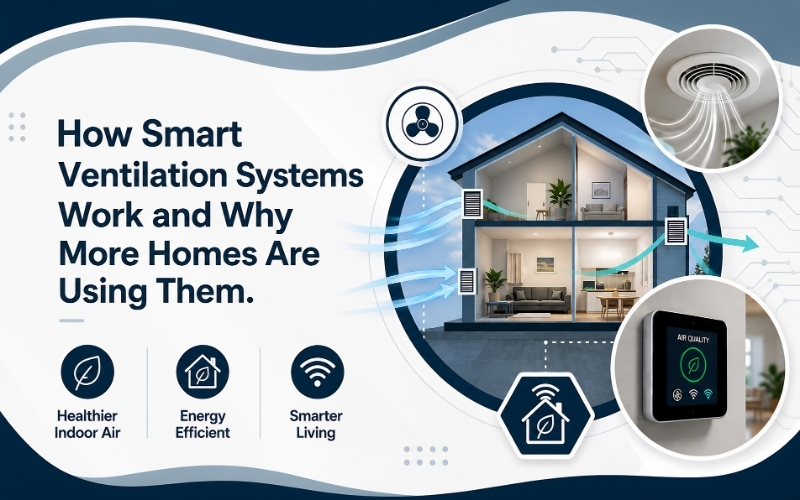
In today’s world, energy efficiency and healthy indoor air quality have become crucial priorities for homeowners. With more time spent indoors, ensuring a well-ventilated home is essential. Traditional ventilation systems can often be inefficient, wasting energy and compromising air quality. Smart ventilation systems address these issues by providing an efficient, cost-effective solution that improves both air quality and energy consumption.
These advanced systems use heat recovery, smart sensors, and integrated technology to optimize airflow and reduce heating and cooling costs. With their environmental benefits and increasing affordability, smart ventilation systems are gaining popularity among homeowners.
In this blog post, we’ll explain how smart ventilation systems work, highlight their benefits, and discuss why more homeowners are choosing these energy-efficient, eco-friendly solutions to improve indoor air quality.
What Is A Smart Ventilation System?
Discover energy-efficient smart ventilation systems designed for healthier, more comfortable living.
A smart ventilation system is an advanced home ventilation solution designed to improve indoor air quality while being energy-efficient. These systems work by continuously exchanging indoor air with fresh outdoor air, but with minimal energy loss. Unlike traditional systems that simply push stale air out, smart ventilation systems optimize airflow using sensors, advanced filters, and heat recovery mechanisms to maintain a comfortable indoor environment without compromising energy use.
These systems often include features such as humidity control, air-quality sensors, and even integration with smart-home devices, ensuring the home always receives the freshest air while also being mindful of energy consumption.
How Does A Smart Ventilation System Work?
A smart ventilation system uses an array of components working together to create an optimal living environment. Here’s how it works:
- Fresh Air Intake: The system draws in fresh air through ducts.
- Air Filtration: Incoming air is filtered to remove dust, pollen, and pollutants, maintaining high air quality.
- Heat Recovery: Fresh air is pre-heated using the outgoing stale air’s warmth, conserving heat in winters.
- Smart Sensors: Sensors monitor humidity, air quality, and temperature, adjusting airflow as needed.
- Energy Efficiency: The heat recovery process makes the system energy-efficient, reducing heating and cooling costs year-round.
Why More Homes Are Choosing Smart Ventilation
Here is why many homes are choosing Smart Ventilation:
- Better Indoor Air Quality: Smart systems improve air quality by continuously exchanging indoor air with fresh outdoor air.
- Cost Saving: Heat recovery reduces heating costs, helping homeowners save on energy bills.
- Smart Home Integration: These systems work with smart devices like Alexa. Seamless IoT Integration:
- Seamless IoT Integration: They easily integrate with other smart home devices for enhanced control.
- Enhanced Comfort: Automatic adjustments based on air quality, temperature, and humidity provide consistent comfort.
The Benefits Of Smart Ventilation Systems
There are several compelling reasons why more homeowners in Ireland are choosing smart ventilation solutions:
- Energy Savings: The mechanical ventilation system with heat recovery is a major selling point. By using heat from outgoing air to warm the incoming fresh air, these systems reduce the demand on heating systems, ultimately saving you money on energy bills. With rising energy costs, this is an appealing feature for homeowners looking to keep their bills in check.
- Improved Air Quality: Smart ventilation constantly exchanges indoor air with fresh outdoor air, improving air quality and benefiting those with respiratory issues, allergies, or asthma.
- Energy Savings: Heat recovery systems use outgoing air to warm incoming air, reducing heating costs and saving energy, especially as energy prices rise.
- Environmentally Friendly: These systems reduce your carbon footprint and promote sustainability by conserving energy and utilizing natural ventilation.
- Smart Home Integration: Many systems integrate with smart home devices, allowing remote control via app or voice commands through Alexa or Google Home.
Comfort and Convenience: Smart systems automatically adjust airflow based on time, weather, and indoor conditions, providing consistent comfort without manual control.
Choosing The Right Smart Ventilation System
Get expert advice and find the ideal smart ventilation solution for your home.
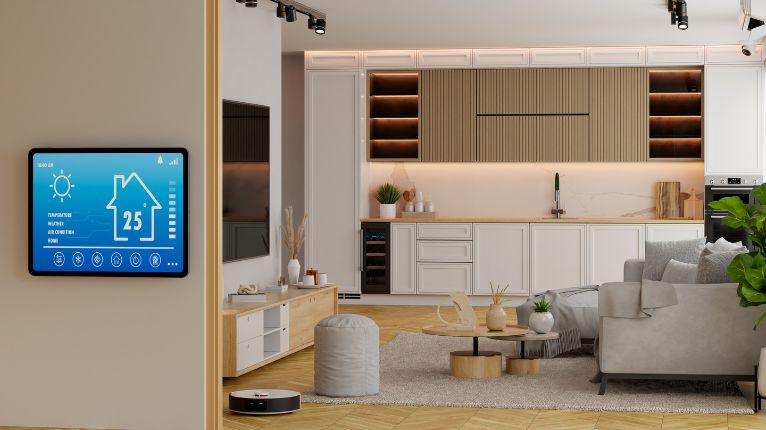
When it comes to selecting a home ventilation system, it’s important to consider a few essential factors to ensure you choose the right one for your needs:
- Energy Efficiency: Look for systems with heat-recovery capabilities, such as the Aspirvelo Air Ecocomfort 2.0, which help you get the most out of your system without wasting energy.
- Air Quality Sensors: Choose a system with advanced sensors that can monitor and adjust airflow based on indoor air quality.
- Easy Installation and Maintenance: Make sure that the system you choose is easy to install and maintain. Some systems may require professional installation, while others are DIY-friendly.
- Smart Features: If you’re looking to make your home smarter, opt for a system that integrates with your existing smart home devices.
Smart Ventilation For New Builds And Renovations
Whether you’re building a new home or renovating an existing one, smart ventilation can be integrated seamlessly into your project. For new builds, installing a smart ventilation system during construction is a great way to future-proof your home and ensure optimal air quality from the start.
For existing homes, upgrading a smart ventilation system may require some minor adjustments, but the long-term benefits make it a valuable investment. The energy savings alone can offset the initial installation cost over time, making it an excellent choice for homeowners looking to upgrade their homes.
Frequently Asked Questions
A smart ventilation system exchanges indoor air with fresh outdoor air, using filters, heat recovery, and sensors to improve energy efficiency and air quality.
It uses heat from outgoing air to warm incoming fresh air, reducing the need for additional heating and lowering energy bills.
Yes, they can be controlled via apps, Alexa, or Google Home for easy monitoring and adjustments.
Smart ventilation improves air quality, saves energy, and enhances comfort, all while being easy to control remotely.
Final Thoughts
Smart ventilation systems are transforming indoor air quality and energy efficiency. They improve air quality, reduce energy consumption, and integrate seamlessly with smart home systems. As more homeowners adopt these innovative solutions, it’s clear that smart ventilation benefits both the home and the environment. Investing in smart ventilation not only enhances comfort but also reduces energy bills, making it a wise choice for both health and sustainability.
Upgrade Your Home With Smart Ventilation Today!
Upgrade your home with smart ventilation for cleaner air, greater comfort, and lower energy costs.
Transform your home with smart ventilation! Enhance air quality, save energy, and enjoy a healthier living space. Explore smart systems from Ermen Systems today to build a more sustainable home.
