
Latest Blog
Heat Recovery Systems vs Ventilation Fans: Which Should You Choose?
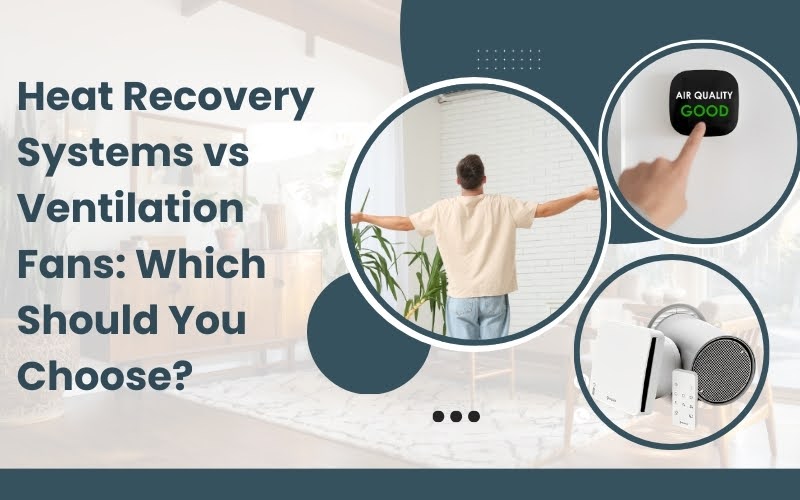
If you are comparing heat recovery vs ventilation systems, the short answer is: ventilation fans remove stale air, while heat recovery systems remove stale air and recover heat energy at the same time. This means heat recovery ventilation can improve indoor air quality while reducing heating energy loss.
For homeowners who want cleaner air, lower energy bills, and better comfort, understanding the difference between these systems is essential. Many homes still rely on basic ventilation fans, but modern properties are increasingly switching to heat recovery units that provide continuous fresh air while retaining heat energy.
In this guide, we answer the most common homeowner questions about ventilation systems and explain when each option makes sense.
What Is The Difference Between Heat Recovery And Ventilation Fans?
Below are some differences between heat recovery and ventilation fans that will help you understand which one you should choose:
Ventilation fans
- Remove stale air
- Extract moisture and odours
- Usually installed in kitchens or bathrooms
- Do not recover heat
Heat recovery systems
- Remove stale indoor air
- Bring fresh filtered air inside
- Recover heat from outgoing air
- Improve energy efficiency and air quality
Heat recovery systems work by transferring warmth from outgoing air to incoming air through a heat exchanger, allowing fresh air into the home while conserving energy.
What Is a Heat Recovery Ventilation System?
A heat recovery ventilation system replaces stale indoor air with fresh outdoor air while recovering heat energy from the air being removed. Typical components include:
- Intake and exhaust fans
- Heat exchanger core
- Air filters
- Smart airflow controls
The system continuously removes used air from rooms such as kitchens and bathrooms while supplying filtered air to living spaces. This process improves indoor air quality and helps maintain stable indoor temperatures.
What Are Ventilation Fans?
Ventilation fans are simple mechanical devices that extract stale air from specific areas, such as:
- Kitchens
- Bathrooms
- Utility rooms
They are designed to remove:
- Moisture
- Cooking smells
- Smoke
- Humidity
However, unlike heat recovery systems, ventilation fans do not recover heat energy. The warm air removed from the home is simply lost. This can increase heating costs in colder climates.
Heat Recovery vs Ventilation Fans: Key Differences
Compare ventilation solutions that improve air quality and reduce heat loss.
| Feature | Ventilation Fan | Heat Recovery System |
|---|---|---|
| Air exchange | Removes stale air | Exchanges stale air with fresh air |
| Energy efficiency | Low | High |
| Heat recovery | No | Yes |
| Indoor air quality | Moderate improvement | Significant improvement |
| Whole-house ventilation | No | Yes |
| Running efficiency | Basic | Energy efficient |
Heat recovery units can recover up to 90% of the heat energy from outgoing air, helping reduce heating demand.
When Should You Choose Ventilation Fans? Are ventilation fans still useful?
Yes. Ventilation fans remain useful in certain situations. They are best for:
- Small ventilation needs
- Budget installations
- Localised airflow
- Moisture extraction in bathrooms or kitchens
Many older homes rely on extractor fans because they are simple and inexpensive to install. However, they only solve part of the indoor air quality problem.
When Is a Heat Recovery System the Better Choice?
Heat recovery ventilation systems are ideal for homeowners who want:
- Continuous fresh air
- Energy savings
- Balanced indoor humidity
- Better indoor air quality
- Lower heating bills
A modern heat recovery unit can recycle warmth from outgoing air, reducing energy waste while maintaining ventilation. This is especially beneficial in modern airtight homes where natural airflow is limited.
What About Single Room Heat Recovery Systems?
Discover room-specific heat recovery systems that improve airflow and reduce moisture.
In many homes, installing full ductwork is not practical. That is where a single-room heat recovery ventilator becomes a smart solution. These compact systems:
- Ventilate individual rooms
- Recover heat from outgoing air
- Improve indoor air quality
- Require minimal installation
A single-room heat recovery ventilator is particularly effective for: Bedrooms, Bathrooms, Kitchens, Apartments, and Retrofit projects. These units provide many of the benefits of whole-house systems without major building work.
How Modern Properties Benefit from Heat Recovery
Properties nowadays are becoming more energy-efficient and airtight. While this improves insulation, it also means natural ventilation is reduced.
Without proper ventilation, problems can develop:
- Damp and condensation
- Poor indoor air quality
- Increased allergens
- Mould growth
Heat recovery ventilation solves these issues by providing continuous airflow while retaining energy efficiency. Modern systems such as Fantini Cosmi Rhinocomfort also include:
- Smart sensors
- Low-energy motors
- Automated airflow control
These technologies help maintain a healthy indoor environment while reducing energy consumption.
Decision Guide: Which System Should You Choose?
Choose ventilation fans if:
- You need ventilation in a single wet room
- The budget is limited
- The installation space is minimal
Choose heat recovery systems if:
- You want whole-home ventilation
- Energy efficiency is important
- Your home is airtight or newly built
- You want better indoor air quality
For many homeowners, the best solution is a combination of ventilation strategies depending on property layout.
Frequently Asked Questions
Yes, in most cases. Heat recovery systems provide ventilation while conserving energy, whereas ventilation fans simply remove air.
Yes. Because they reuse heat from outgoing air, they reduce the amount of heating required to maintain comfortable indoor temperatures.
Yes. In retrofit situations, single-room heat recovery units are often the most practical option.
Yes. They continuously replace stale indoor air with fresh filtered air, improving indoor air quality and reducing pollutants.
Final Thoughts
When comparing heat recovery vs ventilation systems, the biggest difference is energy efficiency. Ventilation fans remove stale air, but heat recovery units provide balanced ventilation while preserving heat energy.
For homeowners who want better air quality, improved comfort, and lower energy costs, heat recovery systems represent a long-term investment in healthier living.
Visit Ermen Systems For Modern Ventilation Systems!
Choose the right ventilation solution for cleaner air and lasting comfort.
If you are exploring modern ventilation solutions such as heat recovery units or single-room heat recovery ventilators, choosing the right system for your property can significantly improve indoor comfort and energy efficiency. Visit Ermen Systems today and find the technology that suits your needs.
