
Latest Blog
What Is a Heat Recovery Unit?
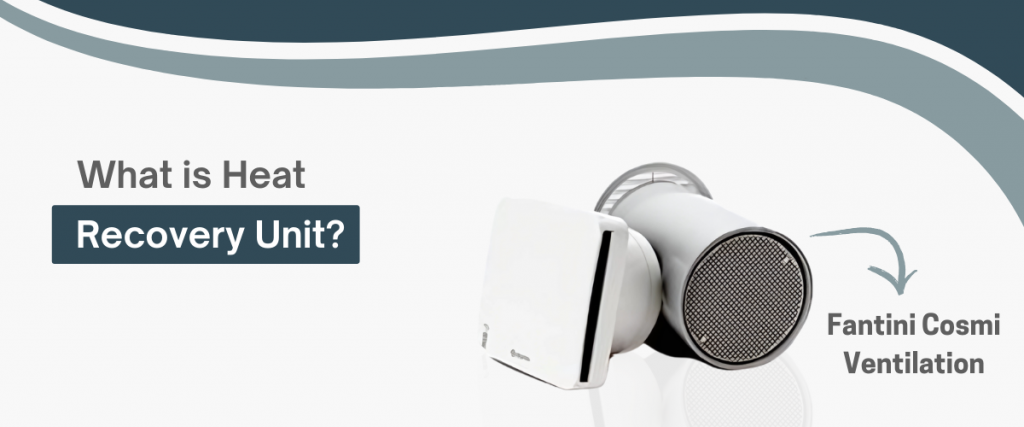
A heat recovery unit is a ventilation device that captures heat from stale indoor air before it leaves your home and transfers that heat to fresh air entering from outside. This helps reduce ventilation-related heat loss while providing a continuous supply of fresh air.
Heat recovery units are designed to improve ventilation, indoor comfort and energy efficiency. They can be used in different types of properties, from modern homes to retrofit projects where improving ventilation is important.
How Does a Heat Recovery Unit Work?
A heat recovery ventilator does something that sounds quite magical, but the science is straightforward. The unit quietly replaces stale indoor air with fresh outdoor air, while cleverly capturing heat from the old air before it leaves. Here’s how the process works in a typical home heat recovery system.
Warm, used air from kitchens, bathrooms, and living spaces is drawn into the system. At the same time, fresh but usually cold air is pulled in from outside. These two air streams pass through a heat exchanger inside the unit. The heat exchanger allows the outgoing air to transfer much of its warmth to the incoming air, without the two airflows actually mixing. The result? You get a house filled with filtered, pre-warmed air, and little heat energy escapes.
This process means your boiler or heat pump doesn’t have to work as hard to keep rooms cosy. Alongside energy savings, a good home heat recovery system improves indoor air quality by filtering dust, pollen, and other outdoor pollutants before they enter your home.
Main Components of a Heat Recovery Unit
- Heat exchanger : transfers heat between outgoing and incoming air.
- Fans : move air through the ventilation system.
- Filters: help filter dust and other airborne particles from incoming air.
- Controls : allow the system to manage airflow and operating modes.
The system quietly manages all this behind the scenes, keeping your home healthier and your bills lower.
Benefits of a Heat Recovery Unit
What makes a home heat recovery system a worthwhile addition to your home? The advantages reach beyond comfort and savings. It does not matter if you’re building new or upgrading an older home; these units meet the everyday needs of modern living.
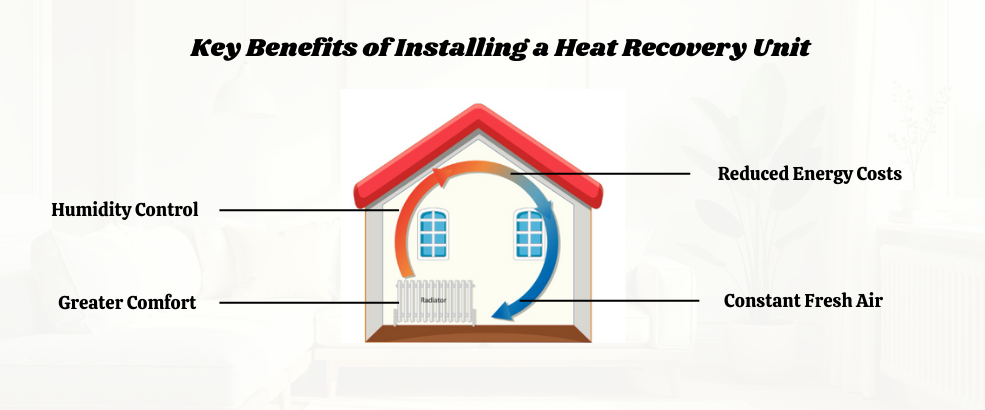
- Reduces Ventilation Heat Loss: Heat recovery allows some of the warmth in outgoing air to be transferred to incoming fresh air, helping reduce the amount of heating energy lost through ventilation.
- Improves Indoor Air Quality: A heat recovery system continuously replaces stale indoor air with fresh outdoor air. Depending on the filtration system, incoming air can also be filtered to reduce dust and other airborne particles.
- Helps Manage Moisture and Condensation:Continuous ventilation can help remove excess moisture produced by activities such as cooking, showering and drying clothes.
- Improves Indoor Comfort:A properly designed system can provide controlled ventilation without relying on constantly opening windows, helping maintain a more comfortable indoor environment.
Using a heat recovery system in your setup means you achieve all of this with little fuss. It slots neatly into new builds but can also be retrofitted in existing homes with planning.
Health and Comfort Improvements
Clean air makes a difference you can feel. Heat recovery units do more than just warm up a room; they also strip out many airborne threats. The filters in these systems catch pollen, dust, exhaust fumes, and other nasties before they come inside. Families with allergies often notice fewer sniffles and chesty coughs. Less dust and lower humidity can reduce asthma symptoms, making the whole home feel healthier.
Experts highlight that good ventilation means fewer respiratory problems. Dry indoor air can cause chapped lips and irritated eyes, while overly damp homes breed mould and mites. A recovery unit balances this out. By keeping fresh air moving (but not freezing), homes feel alive, not stuffy.
Ermen Systems can help you choose the right ventilation solution for your property and requirements.
Heat Recovery Unit vs Heat Recovery Ventilator
The terms heat recovery unit and heat recovery ventilator are closely related and are sometimes used interchangeably. A heat recovery unit generally refers to the equipment that performs the heat recovery process, while a heat recovery ventilator describes the ventilation equipment or system that exchanges stale indoor air for fresh outdoor air while recovering heat.
If you want to understand the ventilation equipment in more detail, read our guide to What Is a Heat Recovery Ventilator?.
How to Choose a Heat Recovery Unit for Your Home
Shopping for a heat recovery system isn’t about picking the fanciest model; it’s about matching the right setup to your home’s needs. First, think about the size of your property. A compact flat will suit a different unit from a four-bedroom family house.

Key points to consider-
- Home Size: Measure the floor area to estimate airflow needs.
- Number of Rooms: More rooms may need larger or multiple units.
- Installation: Ducted whole-house units work best in new builds. For flats or retrofits, single room ventilation heat recovery units offer a tidy solution.
- Maintenance: Filters need checking every few months; clean fans run quieter and last longer.
- Noise Levels: Check decibel ratings if you’re sensitive to sound.
Professional installation is always best. Experts assess your property and fit the system so it runs smoothly from day one. A good installer will also show you how to get the best out of features, like timers or boost modes. Regular upkeep keeps the air sweet and energy savings high.
Frequently Asked Questions
A heat recovery unit captures heat from stale outgoing air and transfers it to fresh incoming air, helping reduce heat loss and improve ventilation.
It extracts stale air, transfers its heat through a heat exchanger, and supplies fresh, pre-warmed air back into the home.
Yes. It can reduce ventilation-related heat loss by recovering heat that would otherwise be lost.
Yes. It continuously brings fresh outdoor air into the property while removing stale indoor air.
The Bottom Line
A heat recovery unit does more than warm your home. It cuts energy use, balances humidity, and fills rooms with cleaner air. Modern life means more time indoors, so investing in smart air solutions makes sense for comfort, health, and peace of mind. Take a look at your current ventilation. Is it costing you too much in comfort or cash? Your home could become healthier and cheaper to run by choosing the right system today.
