
Latest Blog
Top Ways To Reduce Mould And Damp In Your Home In Ireland
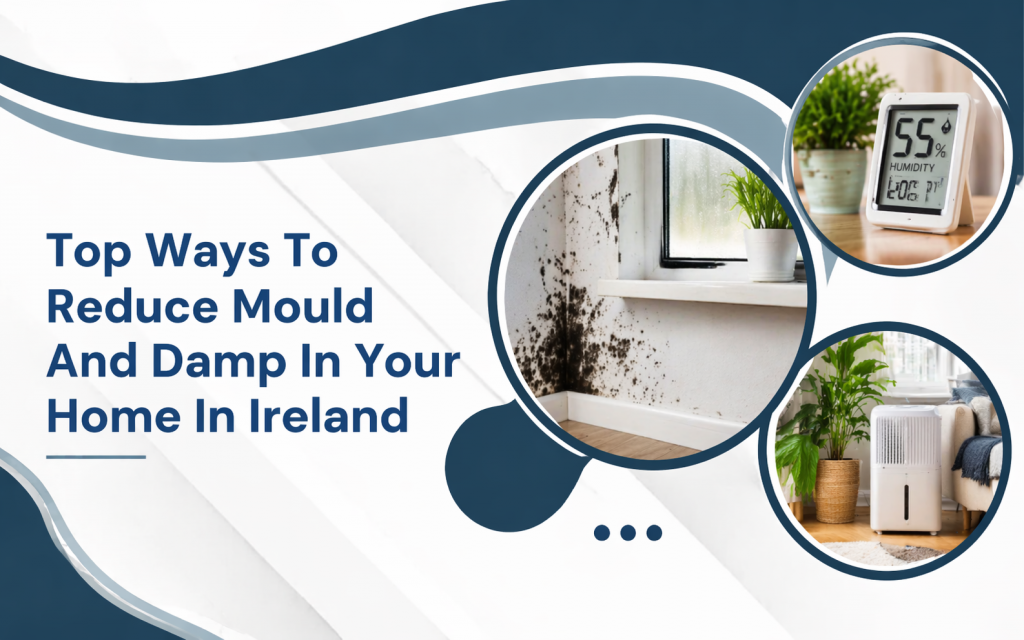
Mould and damp are among the most common problems faced by homeowners across Ireland. With high humidity levels, frequent rainfall, and older housing stock, many homes struggle with persistent moisture issues. Ignoring mould doesn’t just damage walls and furniture; it can also create an unhealthy living environment and reduce your property’s value.
The good news? You can reduce mould effectively with the right combination of ventilation, moisture control, and smart home improvements. In this guide, you’ll discover practical, proven ways to handle mould at its source, so you’re not just cleaning it but preventing it from coming back.
What Causes Mould And Damp In Ireland Homes?
Mould grows in conditions where moisture, warmth, and poor airflow meet. In Ireland, the main contributors include:
- High outdoor humidity levels
- Condensation from daily activities (cooking, showering)
- Poor ventilation in airtight homes
- Inconsistent heating patterns
- Structural issues like leaks or insulation gaps
Understanding these causes is essential to choosing the right solution, not just temporary fixes.
What Happens If You Ignore Mould In Your Home
Prevent recurring mould with ventilation that improves airflow and reduces moisture.
Many homeowners treat mould as a minor issue. In reality, it can lead to:
- Damage to walls, ceilings, and furnishings
- Increased heating costs due to damp insulation
- Persistent musty odours
- Reduced indoor air quality
If you ignore mould for too long, it can become more expensive and complex as it spreads, damages surfaces, and requires deeper repairs.
Top Ways To Reduce Mould In Your Home
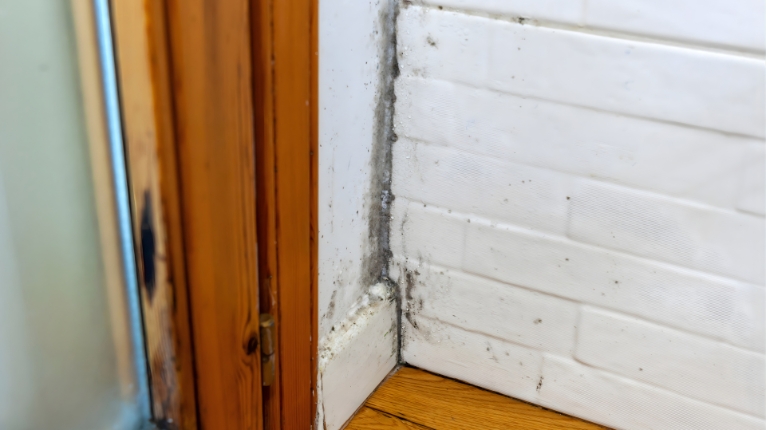
Here are the most effective ways to reduce mould and prevent it from returning:
Improve Ventilation
Poor airflow is one of the biggest reasons mould develops. Without proper ventilation, moisture stays trapped indoors.
Here are some practical steps to improve ventilation:
- Ensure consistent airflow throughout the home using effective ventilation methods.
- Use ventilation fans in kitchens and bathrooms
- Avoid blocking air vents
For long-term results, consider advanced airflow solutions like a single-room heat recovery system, which helps remove stale air while retaining heat
Control Indoor Moisture
Every day activities release moisture into the air. Managing this is essential for effective moisture control.
Here are some important actions:
- Minimise moisture buildup during cooking and daily routines
- Remove condensation from surfaces promptly
- Limit excess indoor humidity from drying clothes
- Maintain balanced airflow throughout the home
Heat Your Home Consistently
Inconsistent heating creates temperature differences that lead to condensation and mould. Maintaining a stable, controlled indoor climate is essential.
Best practices:
- Keep a consistent, even room temperature
- Avoid frequent on/off heating cycles
- Focus on efficient, targeted heating solutions
- Maintain warmth in key areas prone to dampness
Using modern heating systems, such as Caleo Glass WiFi heaters, can help maintain comfort while reducing conditions that allow mould to develop.
Fix Structural Issues
Sometimes, structural issues are the main cause of mould and damp. It’s important to check for:
- Cracked walls
- Roof leaks
- Faulty plumbing
- Poor insulation
Addressing these early prevents recurring damp problems
Upgrade to Modern Ventilation Systems
If mould keeps coming back even after cleaning, your home may need a long-term fix. Modern systems like Aspirvelo Air are designed to:
- Continuously removing moist air
- Improve indoor air circulation
- Reduce condensation buildup
These systems are particularly effective in airtight or newly insulated homes.
How To Prevent Mould In Every Room Of Your Home
Mould forms differently across your home, so targeting high-risk areas is essential for effective prevention.
- Bathroom:
Ensure proper air circulation after showers to quickly remove excess humidity and maintain a healthier indoor environment.
- Kitchen:
Ventilate while cooking and wipe down surfaces to reduce condensation.
- Bedroom:
Maintain airflow and avoid placing furniture against cold walls.
- Attic:
Ensure proper insulation and ventilation, and check regularly for leaks
Best Practices For Long-Term Moisture Control
Lasting mould prevention comes down to consistently managing airflow and indoor air quality.
- Maintain a stable indoor temperature
- Ensure continuous airflow throughout your home
- Remove excess moisture at the source
- Identify and resolve hidden damp issues early
- Use advanced ventilation solutions for ongoing air exchange
A consistent approach to air movement and moisture controls is what keeps mould from returning, not temporary fixes.
Frequently Asked Questions
Focus on eliminating moisture sources and improving ventilation rather than just cleaning visible mould.
Yes, especially in modern airtight homes where airflow is limited.
Yes, they address the root cause by controlling airflow and humidity levels.
At least every season, especially during colder months.
Final Thoughts
Reducing mould in your home is not about quick fixes; it’s about creating the right indoor environment. By focusing on ventilation, consistent heating, and effective moisture control, you can address the root cause rather than the symptoms. Small, consistent actions combined with the right airflow solutions can make a lasting impact, helping you maintain a healthier, drier home all year round.
Prevent recurring mould with ventilation that improves airflow and reduces moisture.
Take a Step To Reduce Mould In Your Home With Ermen Systems
Struggling to reduce mould for good? Ermen Systems provides advanced ventilation solutions designed for Ireland homes, improving airflow, reducing moisture, and protecting your indoor environment. Discover how a single-room heat recovery system, or Aspirvelo Air, can deliver lasting results. Get expert advice today.
