Latest Blog
Top Signs Your Home Needs Better Ventilation (Before Problems Start)
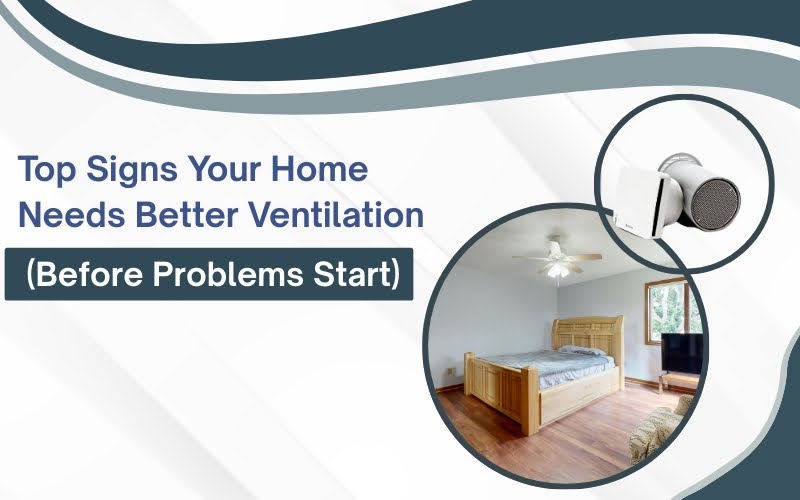
Poor ventilation symptoms often start small, a little condensation on windows, a musty smell, or stale air that lingers after cooking, yet these warning signs can signal deeper issues with indoor air quality and home comfort. With rising energy-efficient building standards, homes in the UK can become too airtight, trapping moisture and pollutants inside instead of letting fresh air in.
Recognising these early signs helps you act before health problems, structural damage, or costly repairs appear. In this blog, we explore the top signs that your home may need better ventilation, even before problems start, and how single-room ventilation recovery units are effective.
What Does Poor Ventilation Look Like in a Home?
Key indicators of poor ventilation symptoms include:
- Persistent condensation on windows, mirrors, or walls, with water droplets forming regularly, especially in the mornings.
- Musty odours that don’t go away after cleaning.
- Stale or stuffy air that makes rooms feel heavy and uncomfortable.
- Visible mould growth on ceilings, tiles, or walls.
- High dust build-up on surfaces due to a lack of fresh airflow.
These signs show that the natural exchange of indoor and outdoor air is inadequate, a key factor in poor indoor air quality.
Why Does Poor Ventilation Happen in Homes?
Poor ventilation in homes often stems from a combination of factors:
- Airtight construction in newer buildings that traps air.
- Sealed windows without sufficient vents or trickle vents.
- Absence of mechanical ventilation systems or inadequate existing systems.
- Everyday activities like cooking, showering, and drying clothes increase humidity faster than it can escape.
In many UK homes, energy efficiency efforts (e.g., double glazing) reduce air leakage, but without controlled ventilation, pollutants and moisture build up inside. This makes understanding poor ventilation symptoms essential.
Are there health symptoms linked to poor ventilation?
Yes, poor indoor air quality directly affects wellbeing. Common health symptoms include:
- Frequent headaches or dizziness, especially after spending time indoors.
- Irritated eyes, nose, or throat due to trapped pollutants.
- Fatigue or a “heavy” feeling in poorly ventilated rooms.
- Worsening allergies or asthma symptoms, as dust mites, mould spores, and VOCs accumulate.
- Difficulty concentrating, elevated CO₂ levels in stagnant air can impair cognitive function.
If these symptoms improve when you step outside, poor ventilation may be contributing to them.
What physical home issues point to poor ventilation?
Here are the most telling signs:
1. Excess Condensation
Warm, moist indoor air meeting cold surfaces (windows, tiles) causes water droplets to form. Persistent condensation can lead to mould growth and material damage.
2. Musty or Lingering Odours
Odours from cooking, pets, or dampness that linger long after the source is gone suggest fresh air isn’t circulating well.
3. Visible Mould Growth
Mould thrives in moist, stagnant environments. Its presence shouldn’t be ignored; it’s a sign of ongoing ventilation issues.
4. Deteriorating Finishes
Peeling paint, warped wood, or damage to window frames signals excessive moisture that ventilation alone might resolve.
5. High Dust and Allergens
Without proper airflow, indoor particles (dust, pet dander) accumulate rapidly, worsening indoor air quality.
How Does Poor Ventilation Affect Indoor Air Quality (IAQ)?
Poor ventilation allows pollutants and moisture to build up indoors, reducing indoor air quality. This includes:
- Volatile Organic Compounds (VOCs) from paints and cleaners.
- Biological contaminants like mould spores, dust mites, and pet allergens.
- Carbon dioxide and other gases from cooking, heating, or human respiration.
When these accumulate, your home’s air can become more polluted than outside air, a key reason homeowners experience both discomfort and health symptoms.
What Are the Risks of Ignoring Poor Ventilation?
Ignoring poor ventilation can lead to both health and structural risks:
Health Risks
- Increased respiratory issues (asthma, allergies).
- Headaches, fatigue, and reduced cognitive function.
- Long-term exposure to pollutants is linked to chronic health problems.
Property Risks
- Mould damage to walls, ceilings, and fabrics.
- Structural decay from trapped moisture.
- Higher energy bills if ventilation issues force heating systems to work harder.
Prompt action reduces these risks and improves both comfort and wellbeing.
What Can Homeowners Do to Improve Ventilation?
Simple steps homeowners can take include:
- Use extractor fans in kitchens and bathrooms during and after use.
- Open windows briefly every day (cross-ventilation) where possible.
- Keep trickle vents open on double-glazed units to allow constant airflow.
- Reduce indoor moisture sources, e.g., dry laundry outside if you can.
For more comprehensive solutions:
- Consider single-room ventilation heat recovery units in high-humidity areas.
- Install mechanical ventilation systems, such as MVHR (Mechanical Ventilation with Heat Recovery), which continuously refreshes indoor air while retaining heat.
- Evaluate products like Aspirvelo Air to enhance controlled ventilation in targeted zones.
Summary: Key Poor Ventilation Symptoms to Watch For
If you notice any of the following, it’s time to assess your ventilation:
- Condensation, mould, or damp patches
- Persistent odours
- Stuffy air or frequent headaches
- Dust accumulation or allergy flare-ups
- Cold/hot spots and uneven temperatures
Frequently Asked Questions (FAQs)
Early poor ventilation symptoms include window condensation, stale or musty smells, stuffy rooms, and air that feels heavy or uncomfortable.
Yes. Poor airflow can worsen allergies, trigger headaches, cause tiredness, and reduce indoor air quality by trapping dust, mould spores, and pollutants.
Opening windows can help short term, but it’s often not enough in airtight homes. Long-term solutions like single-room ventilation heat recovery units work more consistently.
Bathrooms, kitchens, bedrooms, and utility rooms often need improved ventilation because they produce moisture and stale air more quickly than other spaces.
Final Tips for Healthy Indoor Air Quality
Improving ventilation is one of the most impactful ways to enhance indoor air quality, protect your home, and safeguard your family’s health.
- Act early, don’t wait for severe symptoms.
- Pair ventilation solutions with regular cleaning to reduce indoor pollutants.
- Consider professional advice for whole-home ventilation upgrades.
Ready to Improve Your Home's Ventilation? Visit Ermen Systems
If you’re noticing poor ventilation symptoms like condensation, mould, or stale air, early action can prevent bigger health and property issues. Improving airflow can dramatically boost indoor air quality and comfort. Speak with a ventilation specialist to explore practical solutions, from simple upgrades to efficient systems like single-room heat recovery units, and make your home healthier to live in.