
Latest Blog
How to Reduce Humidity at Home Naturally and With Technology
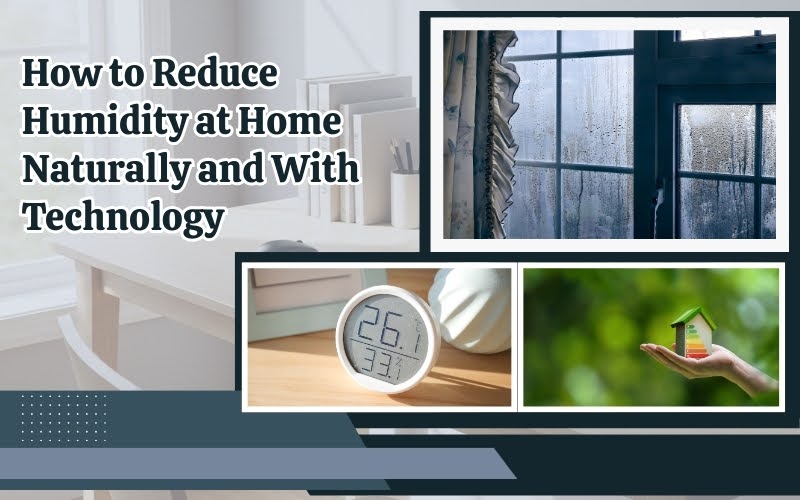
High indoor humidity can cause condensation, mould growth, musty smells, and long-term damage to your home. The most effective way to reduce humidity is to combine good daily habits with proper ventilation and humidity-control technology. This guide explains how to lower humidity naturally, when technology is needed, and which solutions work best for homes in Ireland.
The best way to reduce humidity at home is to control moisture at the source, improve ventilation, and use mechanical ventilation or dehumidification when necessary.
What Is Humidity and Why Does It Matter in Irish Homes?
Humidity refers to the amount of water vapour present in the air. When indoor relative humidity remains consistently high, particularly around or above 60%, the risk of condensation, mould and dust mites can increase.
High humidity can contribute to:
- Condensation on windows and cold surfaces
- Mould growth
- Musty smells
- Increased dust mites and allergens
- Damage to paint, plaster and timber
- Poor indoor air quality
Modern homes are often well insulated and more airtight, which can improve energy efficiency but also makes effective ventilation important for removing moisture generated by everyday activities.
What Is the Ideal Humidity Level Indoors?
For most homes, maintaining indoor relative humidity at around 40%–60% is a practical target.
Short periods of higher humidity, such as after showering or cooking, are normal. The concern is when humidity remains high for extended periods.
Regularly monitoring humidity can help you identify problem areas before persistent condensation or mould develops.
How Can You Measure Humidity at Home?
A digital hygrometer or humidity sensor can help you monitor relative humidity in different areas of your home.
Consider checking humidity levels:
- In bedrooms, particularly in the morning
- In bathrooms after showering
- In kitchens while cooking
- In rooms where condensation frequently appears
Monitoring humidity over time can help identify persistent moisture problems and determine whether additional ventilation may be required.
How Can You Reduce Humidity Naturally?

Natural methods are always the first step and work best when the humidity is mild.
Improve Everyday Ventilation
- Open windows briefly (even in winter)
- Ventilate kitchens and bathrooms during use
- Keep internal doors open where possible
- Use extractor fans while cooking and showering.
- Keep trickle vents open where appropriate.
- Allow moist air to escape after bathing.
Struggling with high humidity or condensation? Contact Ermen Systems today for the right ventilation solution for your home.
Control Moisture at the Source
- Use lids when cooking
- Dry clothes outdoors or in ventilated room
- Avoid drying wet clothes directly on radiators.
- Wipe excessive condensation from windows and surfaces.
Heat the Home Consistently
Cold surfaces attract moisture. Keeping rooms evenly heated reduces condensation risk.
Limitations:
Natural methods can be effective for mild humidity problems, but persistent moisture may require a more consistent mechanical ventilation or humidity-control solution.
When Is Mechanical Ventilation Needed?
You should consider mechanical solutions when:
- Condensation appears daily
- Mould keeps returning
- Windows remain wet in winter
- Natural ventilation is not enough
- The home is airtight or newly renovated
If high humidity continues despite sensible heating, ventilation and moisture-control measures, a professional assessment can help determine whether mechanical ventilation, heat recovery ventilation or dehumidification is more appropriate.
How Do Ventilation Systems Help Reduce Humidity?
Modern ventilation systems remove moist air while bringing in fresh, filtered air, without losing heat.
What Is a Single Room Heat Recovery Unit?
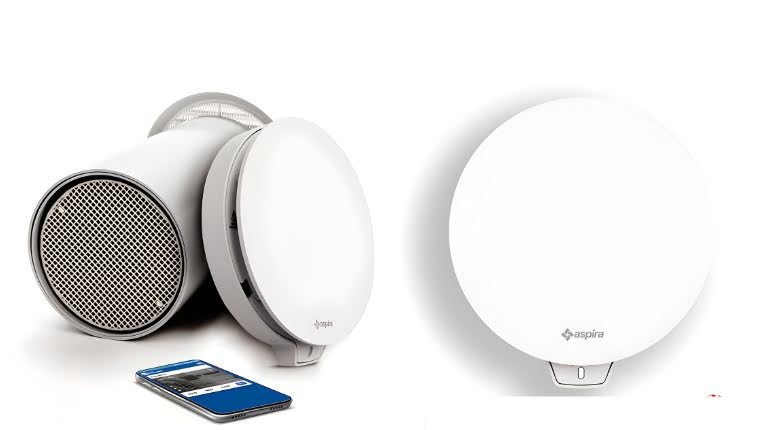
A single-room heat recovery unit is a compact ventilation system designed to provide continuous fresh-air exchange in an individual room. It extracts stale, moisture-laden air while supplying fresh outdoor air and recovering heat from the outgoing air.
These systems can be useful in rooms where condensation, poor airflow or excess moisture is a recurring problem.
Potential benefits include:
- Continuous air exchange
- Better moisture management
- Reduced condensation risk
- Improved indoor air quality
- Reduced heat loss compared with simply opening windows
The right system depends on the room, property and ventilation requirements, so professional assessment is recommended before installation.
What Is the Aspirvelo Air Ecocomfort 2.0, and How Does It Help?
The Aspirvelo Air Ecocomfort 2.0 is a compact single-room ventilation solution designed to improve airflow and help manage moisture in individual rooms.
By continuously exchanging indoor and outdoor air, the system can help remove stale, moisture-laden air while supporting a more comfortable indoor environment.
It may be worth considering for rooms affected by poor ventilation, condensation or excess humidity where a discreet single-room solution is preferred.
Is a Whole House Dehumidifier Better for Severe Humidity?
A whole-house dehumidifier actively removes moisture from indoor air and can be useful where humidity remains high across several areas of a property.
When Is a Whole House Dehumidifier Suitable?
It may be suitable for:
- Persistent high humidity
- Properties with widespread moisture problems
- Areas where ventilation alone cannot adequately control moisture
- Homes where active dehumidification is required
However, the best solution depends on why humidity is building up. A professional assessment can help determine whether improved ventilation, heat recovery ventilation, dehumidification or a combination of solutions is most appropriate.
Ready to take control of indoor humidity? Discover the right ventilation solution with Ermen Systems and create a fresher, more comfortable home.
Which Solution Is Best: Ventilation or Dehumidification?
Both ventilation and dehumidification can help manage indoor moisture, but they work in different ways.
Ventilation removes moisture-laden indoor air and replaces it with fresh air. Heat recovery ventilation can also recover heat from outgoing air.
Dehumidification actively removes moisture from the indoor air and can be useful when humidity remains high despite normal ventilation.
The right option depends on the property’s size, moisture sources, airflow and existing ventilation. In some situations, a combination of ventilation and dehumidification may be appropriate.
How Do Professionals Reduce Humidity in Irish Homes?
Professional HVAC providers follow a structured approach:
- Assess humidity sources
- Measure airflow and moisture levels
- Identify ventilation gaps
- Recommend targeted or whole-home solutions
- Install and balance systems correctly
This approach helps address humidity problems safely and efficiently while identifying the most suitable long-term solution.
Why Choose Ermen Systems for Humidity Control?
Ermen Systems provides ventilation solutions designed to improve indoor air quality and help manage excess moisture.
Rather than relying on a one-size-fits-all approach, the appropriate ventilation solution should be selected based on the property’s layout, airflow requirements and humidity problems.
From single-room heat recovery ventilation to wider ventilation solutions, Ermen Systems can help homeowners identify practical options for improving airflow and indoor comfort.
Frequently Asked Questions About Reducing Humidity
Yes. Opening windows can release moisture-laden indoor air, particularly after cooking or showering. However, persistent humidity may require a more consistent ventilation solution.
There is no single humidity level at which mould suddenly appears, but consistently high relative humidity increases the risk of condensation and mould growth.
Improving ventilation can help remove moisture from indoor air and reduce the conditions that contribute to condensation.
MVHR can help manage indoor moisture by continuously extracting stale, moisture-laden air while supplying fresh air.
They solve the problem differently. Ventilation removes moist indoor air, while a dehumidifier actively removes moisture. The appropriate choice depends on the property’s needs.
Final Thoughts: The Smart Way to Reduce Humidity
Reducing humidity at home starts with controlling moisture at its source and maintaining good airflow. Simple measures such as using extractor fans, ventilating rooms and avoiding indoor moisture build-up can help with mild problems.
When humidity, condensation or poor airflow continues, mechanical ventilation, single-room heat recovery or dehumidification may provide a more reliable solution.
The most suitable approach depends on the property and the cause of the moisture problem. A professional assessment can help identify the right solution for your home.
Need help with humidity or condensation? Contact Ermen Systems today for a professional ventilation solution tailored to your home.
Get Expert Help to Control Humidity in Your Home
If damp, condensation, or mould keeps coming back, Ermen Systems can help. Book a professional humidity and ventilation assessment today and enjoy cleaner, drier, healthier air all year round.
