Latest Blog, Uncategorized
The Best Energy-Efficient Home Upgrades for Lower Heating Bills
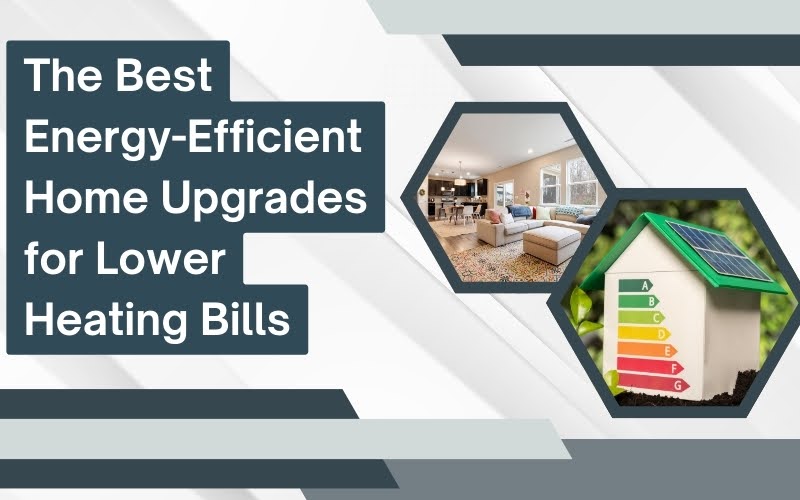
The most effective way to lower heating bills is not by turning the thermostat down, but by upgrading how your home retains, distributes, and reuses heat. An energy-efficient home minimises heat loss, recovers warmth that would otherwise be wasted, and maintains indoor comfort with significantly less energy input.
In practical terms, this means improving insulation, upgrading ventilation with heat recovery, optimising heating controls, and eliminating unnecessary energy waste. When these elements work together, homeowners in the UK can reduce heating demand, improve indoor air quality, and achieve long-term energy savings without compromising comfort.
This guide explains which upgrades matter most, why they work, and how to approach them strategically, based on real-world building performance rather than short-term fixes.
Why Heating Bills Are High in UK Homes
Most UK homes lose heat faster than they should. The problem is rarely the boiler alone.
The main causes are:
- Heat escaping through poorly insulated roofs, walls, and floors
- Uncontrolled ventilation that removes warm air without recovery
- Inefficient air circulation is causing uneven heating
- Outdated lighting and electrical loads are increasing overall energy demand
Without addressing these structural and system-level issues, even the most efficient heating system will be forced to work harder than necessary.
Insulation: The Foundation of an Energy-Efficient Home
Insulation is the single most important upgrade for reducing heating demand.
Well-insulated homes retain heat for longer, allowing heating systems to cycle less frequently and operate at lower output. This directly translates into lower gas or electricity consumption.
Key insulation priorities include:
- Loft and roof insulation, where the greatest heat loss typically occurs
- Wall insulation, particularly in older UK properties with unfilled cavities
- Floor insulation, which reduces cold surfaces and improves thermal comfort
- Draught sealing around doors, windows, and service penetrations
Insulation does not generate heat, but it dramatically improves how effectively heat is used, making every other upgrade more impactful.
Why Ventilation Is Critical (and Often Overlooked)
As homes become more airtight through insulation and sealing, ventilation becomes essential, not optional.
However, traditional ventilation removes warm air and replaces it with cold outdoor air, increasing heating demand. This is where heat recovery ventilation becomes critical.
An energy recovery system captures heat from outgoing stale air and transfers it to incoming fresh air. This maintains indoor air quality while significantly reducing heat loss.
At Ermen Systems, ventilation solutions are designed specifically to balance:
- Heat retention
- Indoor air quality
- Energy efficiency
- Retrofit suitability for existing homes
Smart Ventilation Solutions That Reduce Heating Demand
Here are some smart ventilation solutions that help you reduce heating demand:
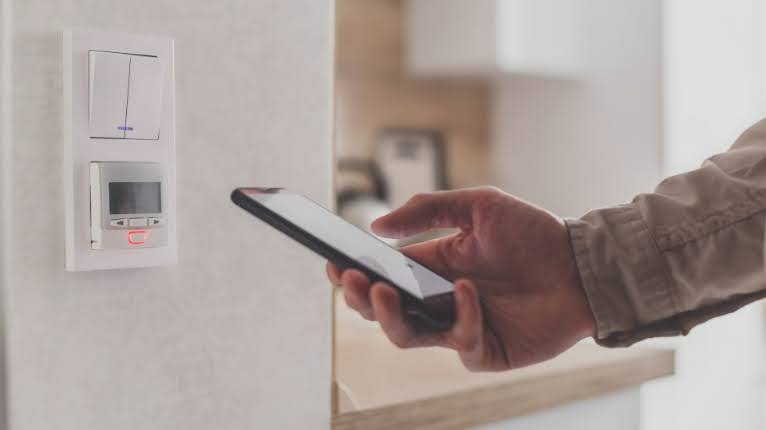
Fantini Cosmi EcoComfort
The Fantini Cosmi EcoComfort system provides decentralised, room-by-room ventilation with heat recovery.
Its advantages include:
- Recovery of heat that would otherwise be lost
- Continuous fresh air without opening windows
- Reduced humidity and condensation
- Lower heating demand due to retained warmth
Because it operates on a room-specific basis, it is particularly effective for retrofits where full ducted systems are impractical.
Rhinocomfort: Ventilation with Air Sanitisation
Rhinocomfort systems combine heat recovery with air sanitisation, improving both thermal efficiency and indoor air hygiene. This is especially valuable in bedrooms, living spaces, and homes where indoor air quality directly affects comfort and wellbeing.
These systems support energy efficiency by ensuring ventilation does not undermine heating performance.
Lighting and Electrical Loads: The Hidden Energy Drain
While lighting does not heat a home, inefficient lighting increases overall energy demand, which affects total household energy costs.
Biovitae LED lighting offers:
- Significantly lower electricity consumption
- Reduced heat waste from lighting fixtures
- Longer lifespan and lower maintenance needs
In energy-efficient homes, reducing unnecessary electrical load helps stabilise overall energy usage and supports more efficient heating strategies, particularly in electrically heated properties.
Heating Systems Work Best When the Home Is Prepared
Upgrading heating systems without addressing heat loss often leads to disappointing results.
Whether using:
- Modern condensing boilers
- Smart heating controls
- Low-temperature heating strategies
The performance of any heating system depends on how well the home retains heat and manages airflow.
An energy-efficient home allows heating systems to:
- Run at lower output
- Cycle less frequently
- Maintain consistent temperatures
- Consume less fuel over time
This is why insulation and ventilation upgrades should always precede or accompany heating upgrades.
A Strategic Upgrade Approach That Actually Works
Rather than piecemeal upgrades, the most effective approach follows a clear sequence:
- Reduce heat loss through insulation and sealing
- Control air movement using heat recovery ventilation
- Optimise energy use with efficient lighting and controls
- Fine-tune heating systems once demand is reduced
This layered strategy delivers compounding benefits and avoids unnecessary spending on oversized or underperforming systems.
Long-Term Benefits Beyond Lower Bills
Lower heating bills are only one outcome of an energy-efficient home.
Other long-term benefits include:
- Improved indoor air quality
- Reduced condensation and mould risk
- More stable indoor temperatures
- Increased property value and EPC ratings
- Lower environmental impact
These outcomes make energy efficiency a structural improvement, not a short-term cost-cutting exercise.
FAQs
An energy-efficient home is one that keeps heat inside, controls airflow, and uses less energy to stay warm. Good insulation, heat recovery ventilation, and efficient lighting all play a role.
Yes. A heat recovery or energy recovery system captures warmth from outgoing air and transfers it to fresh incoming air, reducing the amount of heat your heating system needs to replace.
Not always. Most homes benefit more from improving insulation and ventilation first. Once heat loss is reduced, your existing heating system often works much more efficiently.
Yes. Solutions like Fantini Cosmi EcoComfort and other room-based heat recovery systems are designed to work well in retrofits, even in properties without ducted ventilation.
Final Thoughts: Energy Efficiency Is a System, Not a Product
The best energy-efficient home upgrades are not individual products; they are integrated solutions.
Homes that perform well thermally do so because:
- Heat is retained effectively
- Fresh air is supplied without energy waste
- Systems are designed to work together
By focusing on insulation, heat recovery ventilation, and efficient electrical systems, all areas supported by Ermen Systems, homeowners can achieve meaningful, measurable reductions in heating bills while improving comfort and air quality.
Find the Right Heating and Ventilation Solution. Visit Ermen Systems!
Not sure where to start with energy-efficient upgrades? Ermen Systems helps you choose the right insulation, ventilation, and heat recovery solutions for your home so you can lower heating bills and stay comfortable year-round.