
Latest Blog
Mechanical Ventilation vs Natural Ventilation: Which System Is Best for Irish Homes?
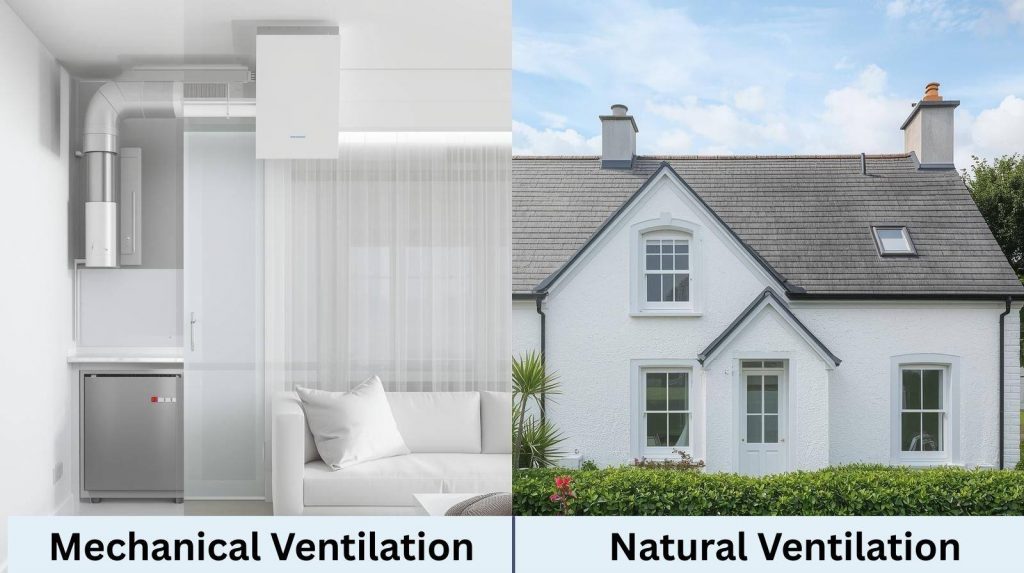
In most cases, for modern Irish homes, mechanical ventilation (especially systems like MVHR) offers clear advantages over natural ventilation, better indoor air quality, energy efficiency, and comfort. That said, natural ventilation can still work for smaller or older houses, or where cost and simplicity matter more than performance.
In this post, we compare mechanical ventilation vs natural ventilation, highlight why many homeowners in the UK now prefer a mechanical system, and help you decide which “home ventilation system” suits your home best.
What do we mean by Natural Ventilation and Mechanical Ventilation?
Let’s take a look at MVHR and how does it works.
Natural Ventilation – passive airflow
Natural ventilation means relying on natural forces, like wind, the “stack effect” (warm air rising), or cross-breezes through windows and vents, to exchange indoor air with fresh outdoor air.
Key ideas behind natural ventilation:
- Wind-driven flow through windows, vents or doors.
- Stack effect: warm, lighter indoor air rises and escapes through high vents/chimneys, drawing in cooler fresh air from lower openings.
- No mechanical devices, no fans, no ductwork, no electricity needed for airflow.
Natural ventilation is simple, quiet, cost-effective, and can work well in mild climates or older, less airtight homes.
Mechanical Ventilation – engineered airflow
Mechanical ventilation uses fans, ducts, and controlled intake/exhaust pathways to supply fresh air and expel stale air, regardless of the weather or external conditions.
Common types include:
- Mechanical Ventilation with Heat Recovery (MVHR / HRV) — continuously supplies filtered fresh air while extracting stale, damp air, and recovers heat from the outgoing air so you don’t lose indoor warmth.
- Mechanical Extract Ventilation (MEV) — extracts air from wet rooms (bathrooms, kitchens), typically allowing fresh air to enter via background vents.
- Other systems like positive-input ventilation (PIV), hybrid ventilation, etc., depending on design, building type, and occupant needs.
Mechanical ventilation is engineered to work all year round, even in modern airtight houses, offering consistent air quality, heat efficiency, and moisture control.
Why Mechanical Ventilation (like MVHR) Often Works Better for Modern Irish Homes

When you consider energy efficiency, comfort, and indoor air quality, especially in newer, well-insulated homes, mechanical ventilation tends to outperform natural ventilation in many respects.
Advantages of Mechanical Ventilation
- Consistent indoor air quality and controlled airflow: Fans and ducted supply/exhaust ensure stale air is removed and fresh air is continuously supplied, no matter the weather.
- Heat recovery → energy savings: MVHR systems recover heat from outgoing air to warm incoming air, which reduces heating demand and helps lower energy bills. In some efficient builds, heating demand may drop significantly compared with natural ventilation.
- Better humidity and moisture control: By extracting moist air from kitchens, bathrooms and utility rooms, mechanical ventilation helps curb condensation, damp, mould and associated health issues.
- Air filtration — cleaner air: MVHR can filter incoming air, reducing dust, pollen and external pollution entering the home, a plus for allergy sufferers or homes in urban areas.
- Comfort and noise control: Modern mechanical systems are designed to run quietly; supply air is tempered (pre-warmed), and drafts / cold spots are avoided.
- Suitability for airtight, modern builds: As building regulations push for airtight, well-insulated homes (to conserve energy), ventilation becomes more critical; mechanical ventilation meets that need reliably.
Given Ireland’s temperate climate, and the growing emphasis on energy-efficient, airtight housing, mechanical ventilation (especially MVHR) tends to align well with modern building practices and occupant comfort.
Where Natural Ventilation Still Makes Sense
Natural ventilation isn’t obsolete. There are contexts and home types where it remains a practical and cost-effective choice.
Advantages of Natural Ventilation
- Low installation & running cost: No fans, no ducts, minimal equipment, simple windows/vents are often enough.
- No energy consumption & no mechanical maintenance: Because airflow depends on natural forces, there’s no electricity usage or regular maintenance (filters, ducts) needed.
- Simplicity and flexibility: Good for older homes, small properties, or situations where occupants prefer manual control (opening windows, vents).
- Natural health benefits: When weather and outdoor air quality are good, natural ventilation can provide fresh air, reduce indoor pollutants, and lower the risk of indoor-damp-related issues (especially in older, less airtight houses).
For older Irish homes with less airtight design, or where budget is a constraint, natural ventilation can still be a viable way to ventilate spaces.
Drawbacks and Limitations of Each System
Here are some of the drawbacks and limitations of each system:
Natural Ventilation — What You Risk
- Dependence on weather and external conditions: On still, humid, windy or polluted days, windows and vents may not supply adequate fresh air.
- Inconsistent airflow and thermal performance: Indoor temperature and air quality can fluctuate, sometimes too cold, sometimes too stuffy, making heating less efficient and comfort variable.
- Poor control over pollutants, humidity, and energy loss: Natural ventilation cannot filter external pollutants, humidity, or control heat loss, a major drawback in colder months or polluted areas.
- Not suitable for high-airtight, modern homes: Such homes rely on controlled ventilation; leaving windows or vents open would undermine insulation efficiency and energy use.
Mechanical Ventilation — Potential Downsides
- Higher upfront cost and complexity: Installing MVHR or other mechanical ventilation involves cost, ductwork, planning, and more than simply windows.
- Maintenance required: Filters need periodic changing; ducts and heat-exchangers must be checked to keep efficiency high and avoid reduced airflow or noise.
- Dependence on electricity / mechanical parts: In case of power outage, mechanical failure or maintenance issues, ventilation will suffer.
- Not always ideal for older, leaky houses: In homes with poor insulation or without airtightness, heat recovery benefits may be reduced, and efficiency may drop.
Which System is Best — Considering Irish Homes & Climate
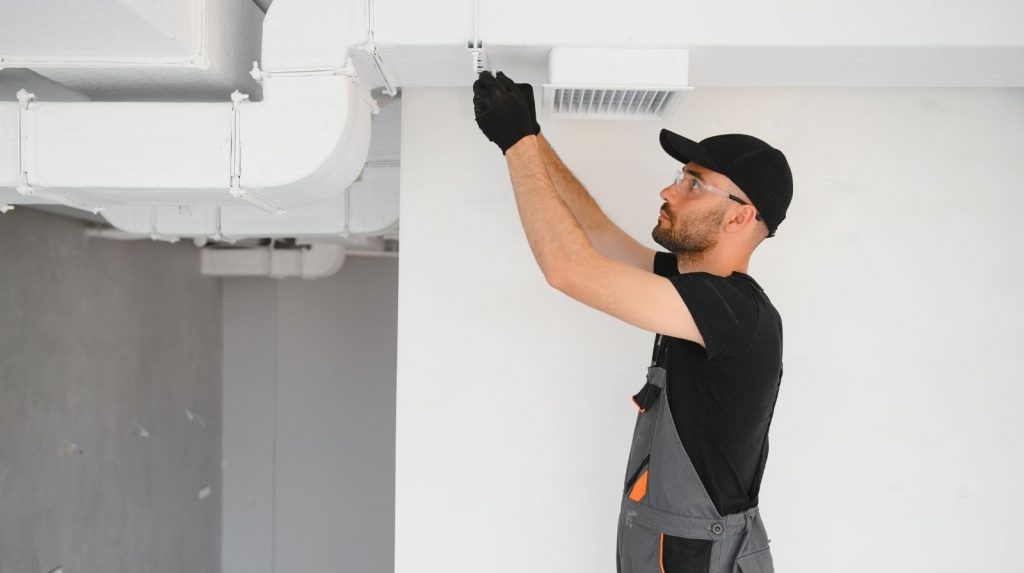
Whether mechanical ventilation or natural ventilation is “better” for a given Irish home depends on several factors. Here’s a guide, use it to weigh what works for your home:
When Mechanical Ventilation (e.g. MVHR) is ideal
- Your home is a modern build, with good insulation and airtightness.
- You want consistent indoor air quality, low humidity, and low mould risk, especially in wet rooms.
- You value energy efficiency and want to reduce heating costs over time.
- There are occupants with allergies, asthma, or sensitivity to air pollution/dust.
- Your home is located in an urban or polluted area, where a filtered air supply matters.
- You prefer a “set and forget” solution, minimal manual opening of windows, and automatic ventilation.
When Natural Ventilation may still suffice
- The home is an older house, less airtight, with traditional design (fireplace, chimney, vents), and windows and vents provide adequate airflow.
- Budget is a constraint, and you prefer low upfront and maintenance costs.
- The home is seasonally occupied or used infrequently, so installing a full ventilation system may not be cost-effective.
- The climate and location allow pleasant outdoor air, good wind, and low pollution, making natural airflow desirable.
- Occupants prefer manual control (opening windows, airing rooms) rather than mechanical systems.
Conclusion
Choosing between mechanical ventilation and natural ventilation depends on your home’s age, airtightness, and comfort needs. Modern Irish homes generally benefit more from mechanical systems, especially MVHR, because they provide reliable airflow, better energy efficiency, and stronger moisture control. However, older or less airtight homes may still function well with natural ventilation. Understanding your home’s structure and long-term goals will help you decide the best ventilation system for healthier, more comfortable living.
Ready to Improve Your Home's Air Quality? Let's Find the Right System
If you’re unsure which ventilation system suits your home, we can guide you. Whether you want the efficiency of MVHR, single-room ventilation heat recovery units, or simply need expert advice, our team can help you choose a solution that fits your home, budget, and comfort needs. Get in touch today to explore your options.