
Latest Blog
How to Reduce Humidity at Home Naturally and With Technology
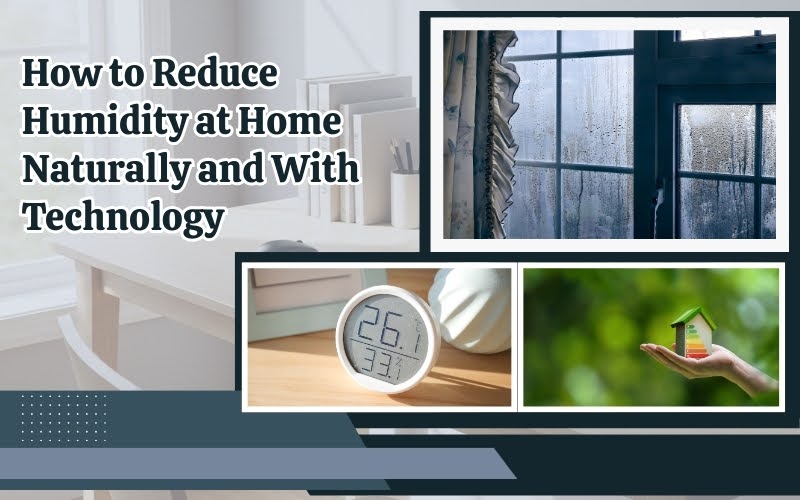
High indoor humidity can cause condensation, mould growth, musty smells, and long-term damage to your home. The most effective way to reduce humidity is to combine good daily habits with proper ventilation and humidity-control technology. This guide explains how to lower humidity naturally, when technology is needed, and which solutions work best for UK homes.
In the UK, damp and condensation are common due to cooler temperatures, airtight homes, and frequent rainfall. Understanding how humidity builds up and how to control it helps protect both your health and your property.
What Is Humidity and Why Does It Matter in UK Homes?
Humidity is the amount of moisture in the air. When indoor humidity stays too high (above 60%), it creates the perfect conditions for:
- Condensation on windows and walls
- Black mould growth
- Dust mites and allergens
- Damage to paint, plaster, and timber
- Poor indoor air quality
UK homes are especially vulnerable because modern insulation reduces natural airflow, trapping moisture indoors.
What Is the Ideal Humidity Level Indoors?
For most UK homes, the ideal indoor humidity level is:
- 40%–60% for living areas
- 40%–50% for bedrooms
If humidity regularly exceeds this range, action should be taken to reduce humidity before mould or structural issues develop.
What Causes High Humidity at Home?
The most common causes include:
- Cooking without extractor ventilation
- Showering and bathing
- Drying clothes indoors
- Poor or blocked ventilation
- Airtight windows and insulation
- Occupancy levels (more people = more moisture)
Every day activities can release litres of water vapour into the air each day.
How Can You Reduce Humidity Naturally?

Natural methods are always the first step and work best when the humidity is mild.
Improve Everyday Ventilation
- Open windows briefly (even in winter)
- Ventilate kitchens and bathrooms during use
- Keep internal doors open where possible
Control Moisture at the Source
- Use lids while cooking
- Dry clothes outdoors or in ventilated rooms
- Wipe condensation from windows daily
Heat the Home Consistently
Cold surfaces attract moisture. Keeping rooms evenly heated reduces condensation risk.
Limitations:
Natural methods help, but they often fail in modern UK homes where ventilation is restricted or humidity is persistent.
When Is Technology Needed to Reduce Humidity?
You should consider mechanical solutions when:
- Condensation appears daily
- Mould keeps returning
- Windows remain wet in winter
- Natural ventilation is not enough
- The home is airtight or newly renovated
This is where professional HVAC solutions become essential.
How Do Ventilation Systems Help Reduce Humidity?
Modern ventilation systems remove moist air while bringing in fresh, filtered air, without losing heat.
What Is a Single Room Heat Recovery Unit?
A single-room heat recovery unit extracts humid air from a room (such as a bedroom or bathroom) and replaces it with fresh air, while retaining most of the heat.
Benefits include:
- Continuous humidity reduction
- Improved indoor air quality
- Lower condensation levels
- Energy efficiency (important in UK homes)
This is ideal for targeted problem rooms.
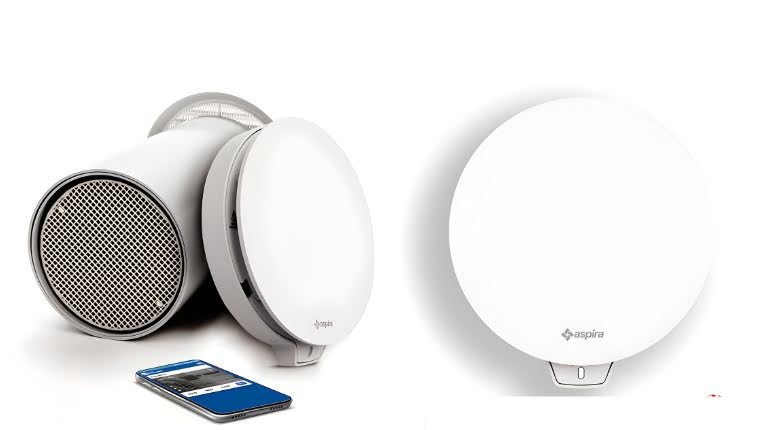
What Is the Aspirvelo Air Ecocomfort 2.0, and How Does It Help?
The Aspirvelo Air Ecocomfort 2.0 is a compact, advanced ventilation solution designed for homes struggling with damp and poor airflow.
It helps reduce humidity by:
- Constantly exchanging stale, moist air
- Supporting balanced airflow
- Improving comfort without excessive heat loss
For homeowners who want a discreet but effective system, this technology offers long-term humidity control.
Is a Whole House Dehumidifier Better for Severe Humidity?
A whole-house dehumidifier is often recommended for properties with widespread humidity problems.
When Is a Whole House Dehumidifier Suitable?
- Persistent damp across multiple rooms
- Basements or older UK properties
- Homes with limited natural ventilation
While effective, dehumidifiers treat symptoms rather than airflow causes, which is why many UK experts recommend pairing them with ventilation systems.
Which Solution Is Best: Ventilation or Dehumidification?
The best solution depends on the home, but most UK specialists agree:
- Ventilation = long-term humidity control
- Dehumidifiers = short-term moisture removal
For lasting results, ventilation systems like single-room heat recovery units are often preferred over standalone devices.
How Do Professionals Reduce Humidity in UK Homes?
Professional HVAC providers follow a structured approach:
- Assess humidity sources
- Measure airflow and moisture levels
- Identify ventilation gaps
- Recommend targeted or whole-home solutions
- Install and balance systems correctly
This approach ensures humidity is reduced safely, efficiently, and permanently.
Why Choose Ermen Systems for Humidity Control?
Ermen Systems specialises in ventilation-led humidity solutions designed for UK homes. Rather than temporary fixes, the focus is on long-term indoor air quality, comfort, and compliance with modern building standards.
Ermen Systems helps homeowners reduce humidity at the root cause, not just manage the symptoms.
Frequently Asked Questions About Reducing Humidity
Yes, but only temporarily. In cold or wet UK weather, it may not be enough.
Yes. It increases mould, allergens, and respiratory irritation.
Some do. Ventilation systems are often more energy-efficient long term.
With the right system, noticeable improvement can happen within days.
Yes. Heat recovery technology makes them ideal for UK winters.
Final Thoughts: The Smart Way to Reduce Humidity
Final Thoughts: The Smart Way to Reduce Humidity
If humidity, condensation, or mould are ongoing issues, systems like a single room heat recovery unit or the Aspirvelo Air Ecocomfort 2.0 provide reliable, energy-efficient control—far beyond what temporary fixes can achieve.
Get Expert Help to Control Humidity in Your Home
If damp, condensation, or mould keeps coming back, Ermen Systems can help. Book a professional humidity and ventilation assessment today and enjoy cleaner, drier, healthier air all year round.