
Latest Blog
How Poor Ventilation Affects Your Health (And How to Fix It)
Indoor air pollution health effects can range from mild headaches and allergies to serious respiratory conditions and long-term lung disease. Poor ventilation in UK homes traps pollutants, moisture, and allergens inside, creating an unhealthy environment that affects your breathing, sleep, and overall wellbeing.
Modern homes are built to be energy-efficient, but without proper ventilation, they can also become airtight boxes filled with pollutants. In this blog, we will discuss how poor ventilation can affect your health and what the major issues are that you can take to fix them.
What Are the Indoor Air Pollution Health Effects?
Indoor air pollution health effects occur when contaminated air builds up inside your home due to insufficient ventilation.
Common health effects include:
- Persistent coughing
- Headaches
- Fatigue
- Worsening asthma
- Allergic reactions
- Sinus congestion
- Skin irritation
- Difficulty sleeping
Long-term exposure may contribute to:
- Chronic respiratory disease
- Increased infection risk
- Cardiovascular stress
According to health data, people spend over 90% of their time indoors, making indoor air quality more important than outdoor air in many cases.
Why Is Poor Ventilation a Serious Problem in Homes?
Homes are increasingly airtight due to insulation upgrades and building regulations aimed at improving energy efficiency. While this reduces heat loss, it also:
- Traps moisture
- Prevents fresh air circulation
- Increases condensation
- Encourages mould growth
- Allows VOCs (volatile organic compounds) to accumulate
Without proper airflow, pollutants from:
- Cooking
- Cleaning products
- Building materials
- Furniture
- Human respiration
remain inside the home.
This is where structured IAQ solutions become essential.
What Symptoms Does Poor Indoor Air Quality Cause?
Homeowners often ask: “How do I know if poor ventilation is affecting my health?”
Watch for:
- Morning headaches
- Stuffy air feeling
- Lingering cooking smells
- Excess condensation on windows
- Black mould in corners
- Worsening asthma at home, but improvement outdoors
If symptoms improve when you leave your house, ventilation is likely the issue.
How Does Damp and Condensation Make Things Worse?
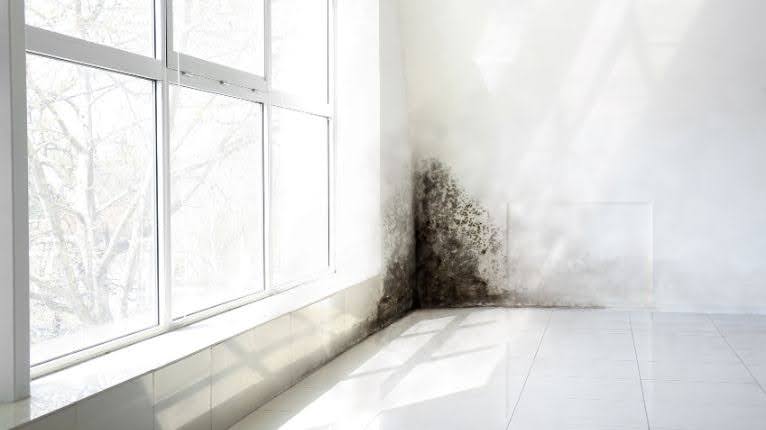
Condensation forms when warm indoor air meets cold surfaces. In poorly ventilated homes, this leads to:
- Damp walls
- Mould spores
- Structural damage
- Musty odours
Mould exposure is linked to:
- Asthma flare-ups
- Respiratory infections
- Allergic reactions
- Increased hospital admissions in vulnerable groups
Addressing ventilation is the root solution, not just wiping away mould.
Who Is Most at Risk?
Indoor air pollution health effects are more serious for:
- Children
- Elderly individuals
- Asthma sufferers
- People with respiratory conditions
- Individuals working from home
- Those in newly renovated airtight properties
How Can You Fix Indoor Air Pollution in Your Home?
Opening windows helps, but it’s inconsistent, weather-dependent, and energy-inefficient. Instead, consider permanent ventilation improvements.
Key solutions include:
- Continuous mechanical ventilation
- Fresh air supply systems
- Balanced airflow systems
- Heat recovery ventilation
What Is Mechanical Ventilation with Heat Recovery (MVHR)?
Mechanical Ventilation with Heat Recovery (MVHR) systems continuously extract stale air and replace it with filtered fresh air, without losing heat.
Benefits include:
- Continuous fresh airflow
- Reduced condensation
- Lower mould risk
- Energy efficiency
- Improved sleep and breathing
- Compliance with Building Regulations Part F
One proven solution is Fantini Cosmi Rhinocomfort, a decentralised ventilation system designed to improve indoor air quality while maintaining energy efficiency.
It provides controlled airflow and heat recovery, making it ideal for modern airtight homes.
Are There Energy-Efficient IAQ Solutions Available?
Yes. Modern ventilation systems are designed to:
- Reduce heat loss
- Improve air filtration
- Operate quietly
- Maintain energy efficiency
Complementary solutions like BioVitae LED lighting can also contribute to healthier indoor environments by supporting wellbeing and reducing harmful lighting effects. Combining proper ventilation with smart indoor environmental design creates a healthier living space.
Homeowner Decision Checklist
Ask yourself:
- Do I see condensation daily?
- Do I smell stale air?
- Does mould return after cleaning?
- Do I wake up congested?
- Is my home recently insulated or renovated?
If yes to two or more, it’s time to evaluate professional IAQ solutions.
Frequently Asked Questions
Yes. Long-term exposure to polluted indoor air increases respiratory and cardiovascular risk.
No. It’s temporary and inconsistent, especially in cold UK climates.
Mechanical ventilation systems with heat recovery.
Modern systems recover heat, making them energy-efficient.
Conclusion
Poor ventilation quietly impacts your health by allowing pollutants, moisture, and allergens to build up indoors. Improving airflow is not just about comfort; it protects breathing, sleep quality, and long-term wellbeing. By investing in effective ventilation and reliable IAQ solutions, homeowners can create healthier living spaces that balance fresh air, energy efficiency, and everyday comfort.
Take Control of Your Indoor Air Quality Today
Upgrade your home with smarter ventilation and trusted IAQ solutions designed to improve air quality, reduce condensation, and support healthier living. Explore advanced systems like Fantini Cosmi Rhinocomfort and create a fresher, more comfortable indoor environment for your family.