Latest Blog
Air Sanitisation vs Air Purification: Understanding the Difference
Indoor air quality has become a major priority for businesses, schools, healthcare facilities, and commercial buildings across Ireland. While terms like air purification and air sanitisation are often used interchangeably, they refer to different processes that address airborne contaminants in distinct ways. Understanding the difference is essential when selecting the right solution for your building.
Whether you want to reduce allergens, minimise airborne pathogens, or create a healthier indoor environment, knowing how these technologies work can help you make informed decisions.
In many cases, combining both approaches delivers the most effective protection, ensuring cleaner air and greater comfort for occupants throughout the year.
What Is Air Purification?
Air purification is the process of removing contaminants from the air. Air purifiers typically use filtration technologies such as HEPA filters, activated carbon filters, or electrostatic precipitators to capture airborne particles.
Common contaminants targeted by air purification systems include:
- Dust and dirt particles
- Pollen and allergens
- Pet dander
- Smoke particles
- Volatile organic compounds (VOCs)
- Certain bacteria and airborne pollutants
The primary purpose of air purification is to remove unwanted particles from the indoor environment physically. As air passes through the filtration system, contaminants are trapped, resulting in cleaner, healthier air.
Air purification systems are widely used in offices, schools, healthcare facilities, hospitality venues, and commercial buildings where maintaining clean air is a priority.
What Is Air Sanitisation?
Air sanitisation focuses on reducing harmful microorganisms in the air, such as bacteria, viruses, and mould spores, helping create a healthier indoor environment.
Air sanitisation technologies often target:
- Viruses
- Bacteria
- Mould spores
- Fungi
- Airborne pathogens
Rather than trapping these contaminants, air sanitisation systems actively render them harmless through technologies such as UV-C light, advanced sanitisation methods, or other disinfection methods.
This approach is particularly valuable in environments where infection control and occupant health are critical concerns. Healthcare settings, educational facilities, commercial offices, and public buildings often benefit from air sanitisation solutions that continuously reduce bacterial contamination. Combined with Airius destratification fans, these systems can help distribute cleaner air more effectively throughout a space.
The Essential Difference Between Air Sanitisation And Air Purification
Find the right air quality solution to improve cleaner, healthier indoor environments for your commercial building.
The main difference lies in how each technology addresses airborne contaminants.
Air Purification
- Removes particles from the air
- Focuses on filtration and capture
- Reduces dust, allergens, and pollutants
- Improves overall air cleanliness
Air Sanitisation
- Eliminates harmful microorganisms
- Focuses on disinfection and pathogen control
- Targets viruses, bacteria, and mould
- Enhances indoor hygiene and health protection
Air purification removes airborne particles such as dust, pollen, and allergens, while air sanitisation targets and neutralises harmful microorganisms, including bacteria, viruses, and mould.
Why Air Sanitisation Is Becoming More Important
The increased awareness of airborne disease transmission has highlighted the importance of effective air sanitisation strategies.
Modern commercial buildings are often designed for energy efficiency, resulting in tighter building envelopes and reduced natural ventilation. While this improves energy performance, it can also lead to the accumulation of airborne contaminants.
Air sanitisation helps address this challenge by reducing the concentration of potentially harmful microorganisms circulating within indoor spaces.
Benefits include:
- Improved occupant wellbeing
- Reduced risk of airborne transmission
- Enhanced indoor environmental quality
- Greater confidence among employees, visitors, and customers
- Support for healthier workplaces and public spaces
As organisations continue to prioritise health and safety, air sanitisation is becoming a valuable component of comprehensive indoor air quality strategies.
Do you need air purification, air sanitisation, or both?
The answer depends on your building’s requirements and indoor air quality objectives. If your primary concern is reducing dust, allergens, and airborne particles, air purification may be sufficient. However, if you are focused on controlling airborne pathogens and improving hygiene standards, air sanitisation offers additional protection.
In many commercial environments, the most effective solution combines both technologies.
A combined approach can:
- Remove particulate matter from the air.
- Remove harmful microorganisms
- Support healthier indoor environments.
- Deliver comprehensive air quality management.
For organisations seeking to improve indoor air quality, integrating purification and sanitisation technologies often provides the best long-term results.
The Role Of Ventilation In Indoor Air Quality
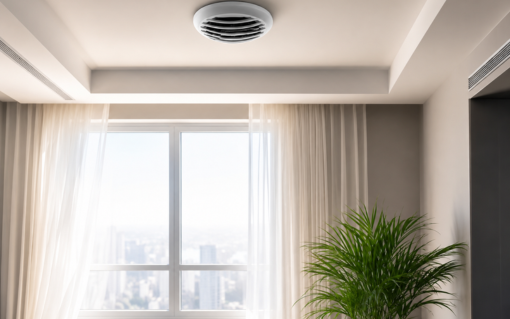
While purification and sanitisation technologies are highly effective, they perform best when supported by proper ventilation.
Ventilation systems replace stale indoor air with fresh outdoor air, helping keep the air cleaner and more comfortable for occupants.
Solutions such as Fantini Cosmi Rhinocomfort can contribute to balanced ventilation and energy-efficient fresh air management. Similarly, airius destratification fans help optimise air circulation, ensuring conditioned and treated air is distributed more effectively throughout a building.
When ventilation, purification, and sanitisation work together, businesses can achieve a healthier indoor environment.
Choosing The Right Air Quality Solution
Choosing the right solution requires a clear understanding of your building’s layout, occupancy levels, and air quality challenges.
Essential considerations include:
- Building type and usage
- Occupancy density
- Existing HVAC infrastructure
- Ventilation performance
- Health and safety requirements
- Air quality objectives
Every facility is unique, which is why tailored assessments are essential when determining the most suitable indoor air quality strategy.
Frequently Asked Questions
Air sanitisation removes airborne microorganisms such as bacteria, viruses, and mould spores.
Air purification removes airborne particles like dust, pollen, and allergens.
No. Air sanitisation targets microorganisms, while air purification removes particles from the air.
Yes, it helps reduce harmful airborne contaminants and supports healthier indoor environments.
Yes, combining both solutions provides more comprehensive indoor air quality protection.
Final Thoughts
Discover how Ermen Systems helps businesses improve indoor air quality with tailored ventilation and air sanitisation solutions.
Air purification and air sanitisation serve different but complementary purposes. While purification removes airborne particles, sanitisation removes harmful microorganisms that can affect human health.
Together, these technologies create a stronger defence against indoor air contaminants. For businesses and organisations across Ireland, investing in the right combination of ventilation, purification, and sanitisation solutions can lead to healthier, safer, and more productive indoor environments.
Improve Indoor Air Quality With Expert Solutions
Discover how Ermen Systems can help you create healthier indoor environments through advanced ventilation, air sanitisation, and air quality solutions tailored to your building’s unique requirements. Contact our team today.
