Latest Blog
Whole House Dehumidifier System: The Secret to a Healthier, More Energy-Efficient Home
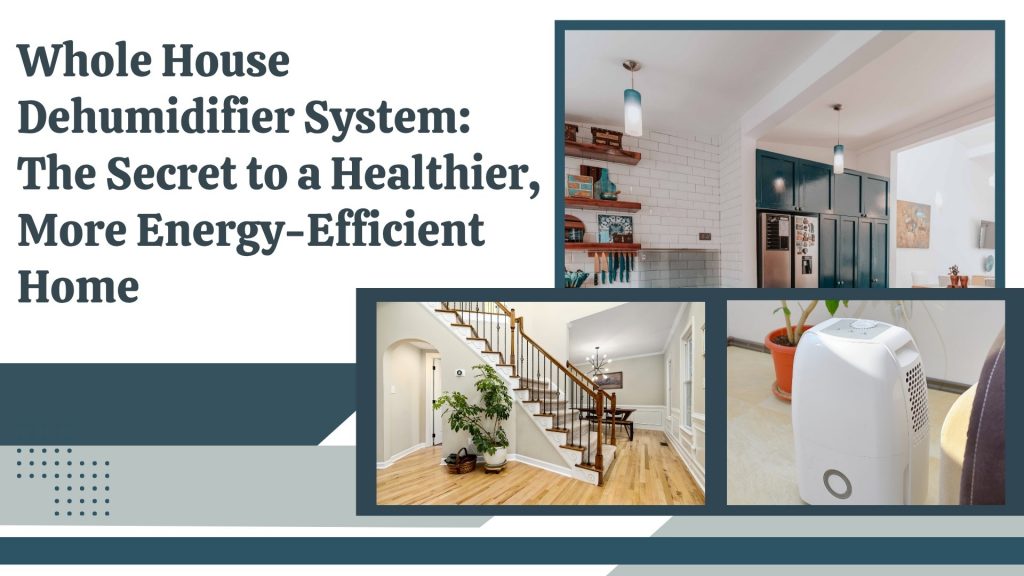
A whole-house dehumidifier system is one of the most effective ways to create a healthier, more energy-efficient home. It works quietly in the background to keep humidity at the perfect level all year round. For many homeowners, problems like damp, mould, condensation on windows, and musty smells seem “normal”, but they don’t have to be. High humidity is one of the biggest hidden causes of poor indoor comfort, poor energy efficiency, and poor indoor air quality. A whole-house system solves this permanently by integrating into your HVAC setup and working through your entire home instead of one room at a time.
What Is a Whole House Dehumidifier System?
A whole-house dehumidifier system is a unit that removes excess moisture from the air in every room of your home. It connects to your HVAC or mechanical ventilation systems, so it can treat the entire property, not just a single space.
- Installed as part of your home’s central ventilation or ductwork
- Controls humidity automatically with built-in sensors
- Supports heating and cooling equipment for better comfort
- Runs quietly in the background with low maintenance needs
- Helps your home “breathe” properly all year round
How It Differs From Portable Units
Portable units only treat one room, but a whole-house system covers your entire home at once. It works more efficiently, lasts longer, and is far easier to manage.
- Portable units need constant emptying; whole-house systems drain automatically
- Portable units use more electricity per square metre
- Whole-house systems remove far more moisture per day
- No noise or clutter from moving devices around
- Better long-term value and healthier airflow
How It Integrates With HVAC & Mechanical Ventilation Systems
The system connects to your existing ducting, so dry, clean air flows evenly through every room. This makes your HVAC run better and reduces the load on heating and cooling equipment.
- Works alongside heat pumps, AC, and ventilation units
- Uses shared ductwork for balanced humidity control
- Helps mechanical ventilation systems move healthier air
- Reduces strain on HVAC equipment
- Improves indoor air quality as moisture levels stay stable
Why Your Home Needs It – Health, Efficiency & Air Quality

UK homes often struggle with damp, condensation, and inconsistent temperatures. A whole-house dehumidifier reduces these problems and creates a healthier living space.
- Protects against mould growth
- Reduces allergens like dust mites
- Supports respiratory health
- Makes heating systems work more efficiently
- Creates a fresher, cleaner atmosphere indoors
Combatting Mould, Condensation & Damp
These issues appear when the humidity stays too high. A whole-house system removes moisture before it can settle on cold surfaces.
- Stops mould from growing on walls and ceilings
- Removes damp odours from bedrooms, kitchens and bathrooms
- Prevents condensation from dripping from windows
- Protects paint, plaster, and timber
- Ideal for older or poorly insulated UK homes
Improving Indoor Air Quality & Reducing Allergens
Humidity affects how pollutants behave indoors. By keeping levels stable, the system helps you improve indoor air quality.
- Reduces dust mites that thrive in humid air
- Keeps airborne allergens from multiplying
- Works with ventilation to bring fresher air inside
- Helps asthma sufferers breathe easier
- Supports healthy moisture balance for the whole family
Enhancing Energy Efficiency & Reducing Bills
Dry air is easier to heat and cool, so your HVAC system works less to keep you comfortable.
- Lowers heating costs in winter
- Helps heat pumps run more efficiently
- Reduces energy waste caused by humid air
- Stabilises temperature across your home
- Extends the lifespan of your HVAC system
How to Choose the Right System for Your Home

Choosing the right model depends on your home size, layout, and existing ventilation setup. A professional assessment ensures the best performance.
- Consider square footage and moisture load
- Match to existing HVAC/ventilation equipment
- Check energy-efficiency rating
- Look for automatic humidity control features
- Choose a reputable installer like ERMEN Systems
Sizing & Specification for Your Property
The system must be strong enough to handle the entire indoor space. Undersized units won’t fix humidity problems.
- Measured by litres per day of moisture removal
- Larger homes require higher-capacity units
- Airtightness of the home affects the required size
- Ventilation layout impacts efficiencys
- Professional assessment recommended
Typical Costs & ROI in the UK
Costs vary, but long-term savings and benefits are strong.
- Typical installations range from £2,000–£4,000+
- Running costs are low due to efficiency
- Saves money by reducing heating demand
- Prevents expensive mould or damp repairs
- Adds long-term property value
Installation Process & What to Expect
The process is smooth and usually completed in one visit.
- Assessment of humidity levels and airflow
- Selection of the best location for the unit
- Connection to existing ductwork
- Testing airflow and humidity settings
- Ongoing support from ERMEN Systems if needed
Best Practices & Maintenance for Long-Term Performance
The system is easy to maintain, but a few simple practices can keep it running at peak efficiency.
- Keep filters clean or replaced as needed
- Check humidity settings (40–60%)
- Book annual HVAC servicing
- Pair with mechanical ventilation systems for best results
- Monitor humidity during seasonal changes
Setting Optimal Humidity & Monitoring
You don’t need to adjust much, but small checks help.
- Maintain 40–60% humidity
- Use built-in digital controls
- Monitor seasonal changes
- Check airflow in main rooms
- Keep vents clear
Linking With Other Services (HVAC & Ventilation)
Humidity control is strongest when paired with other air-management systems.
- Combine with mechanical ventilation systems for cleaner airflow
- Works perfectly with heat recovery systems
- Improves indoor air quality
- Reduces HVAC workload
- Ensures whole-home comfort
FAQs
Yes, heat pumps don’t remove enough moisture on their own.
Most systems are extremely efficient and often cost less than a few pounds per week.
Yes, dry air warms faster, so heaters use less energy.
40–60% is the ideal range for health and comfort.
Yes, it helps remove moisture that allows allergens to grow.
Conclusion
A whole-house dehumidifier system is one of the smartest upgrades for any UK home. It improves indoor air quality, protects your property, lowers heating costs, and makes every room feel fresher and more comfortable. If you want professional guidance or installation from experts, ERMEN Systems can help you design the perfect humidity-balance solution for your home.
Ready to Improve Your Home's Air Quality?
If you want a healthier, fresher, and more energy-efficient home, ERMEN Systems can help you choose and install the right whole-house dehumidifier system. Get expert guidance and a customised solution that fits your property.