Latest Blog
How Smart Home Ventilation Systems Are Changing Every Home in 2025
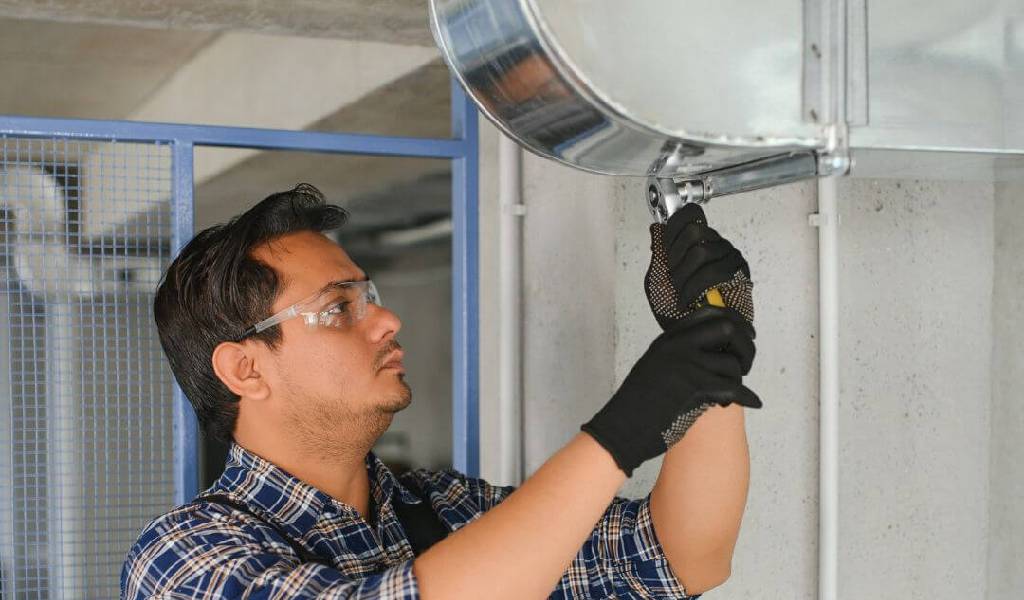
Smart home ventilation systems are transforming homes in 2025 by improving indoor air quality and significantly enhancing home energy efficiency. They combine intelligent sensors, heat recovery technology, and automation to create healthier, more efficient living spaces.
Today’s homeowners want better air quality, lower energy bills, and a more comfortable home environment, and modern smart ventilation delivers all three. As houses become more airtight due to new building standards and energy-saving measures, ventilation is no longer optional; it’s essential.
Below is your complete, homeowner-focused guide, written in simple, friendly, and professional language, showing how smart ventilation is reshaping homes right now.
Why Smart Ventilation Matters in 2025
The UK is experiencing a major shift in how homes are built, insulated, and upgraded. This has created new ventilation needs that smart systems are uniquely designed to solve.
The Shift to Airtight Homes & Energy-Efficient Design
New-builds and retrofitted homes are more sealed than ever to prevent heat loss. That’s great for energy bills, but not for airflow.
Key points:
- Airtight homes trap moisture, pollutants, and stale air
- Without controlled ventilation, condensation and mould risks increase
- Smart ventilation manages airflow precisely without wasting heat
- Perfect for homes improving EPC ratings or undergoing insulation upgrades
Health, Comfort & Indoor Air Quality Demands
Families now prioritise clean, filtered air, especially in cities and areas with outdoor pollution.
Key points:
- Smart sensors track CO₂ levels, humidity, VOCs, and pollutants
- Systems automatically adjust airflow to maintain healthy indoor conditions
- Helps reduce respiratory issues, allergies, and stuffiness
- Ensures every room receives balanced, fresh air
What Is a Smart Home Ventilation System?
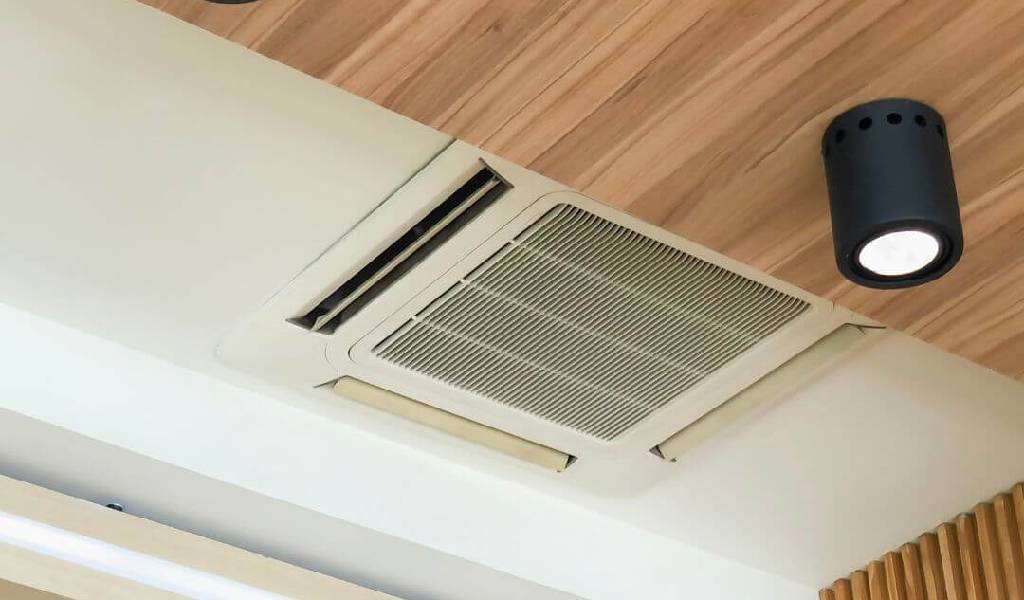
A smart home ventilation system combines mechanical ventilation with sensors, automation, and heat recovery to deliver fresh, filtered air with minimal energy loss.
Core Components & Technologies
These technologies work together to ensure comfort, efficiency, and reliability.
Key points:
- Sensors: Monitor humidity, CO₂, VOCs, and temperature
- EC low-energy fans: Optimise efficiency and operate quietly
- Heat exchangers (MVHR): Recover heat from outgoing air
- Smart controls: Apps, automation, scheduling, and boost modes
- Filters: Improve air cleanliness, ideal for allergy sufferers
Centralised vs Decentralised Systems (MVHR vs dMEV)
Different homes need different ventilation designs, especially in the UK’s mix of old and new housing.
Key points:
- Mechanical Ventilation with Heat Recovery (MVHR) is ideal for airtight new builds and full renovations, recovering up to 90% of heat from extracted air
- dMEV systems provide quiet, continuous extraction to prevent moisture buildup
- Smart ventilation integrates with all three approaches, depending on the property type
- Decentralised Mechanical Ventilation with Heat Recovery (dMVHR) is perfect for single-room installations or retrofit projects, with minimal disruption—ideal for bathrooms, bedrooms, or problem areas
Key Benefits for UK Homes in 2025
Smart ventilation has become one of the highest-ROI home upgrades, especially with rising energy prices and sustainability goals.
Improved Home Energy Efficiency & Reduced Heating Bills
Thanks to heat recovery and intelligent control, smart ventilation operates efficiently and prevents heat loss.
Key points:
- MVHR systems recover heat that would otherwise be wasted
- Reduces heating demand, ideal for homes with heat pumps
- Smart scheduling saves energy during mild weather
- Supports UK homeowners aiming for better EPC ratings
- Significant long-term savings with minimal running costs
Consistent Indoor Air Quality & Healthier Living
Fresh air is supplied where you need it most, automatically and efficiently.
Key points:
- Removes pollutants, smells, dust, and excess CO₂
- Prevents the “stale bedroom air” problem in winter
- Extremely beneficial for families, elderly residents, and asthma sufferers
- Filters provide cleaner indoor air all year round
Condensation, Damp & Mould Prevention
UK homes often struggle with humidity, especially during the winter months.
Key points:
- Smart systems remove moisture before it becomes condensation
- Reduces mould growth in bathrooms, kitchens, and cold corners
- Protects walls, furniture, and insulation
- Perfect for older UK homes or rental properties with moisture issues
Smart Controls & Ease of Use — Future-Proofing Your Home
Homeowners no longer need to manually open windows or switch fans.
Key points:
- App-based control from phone or tablet
- Set-and-forget operation with automatic balancing
- Boost mode when cooking or showering
- Energy and air-quality monitoring
- Integrates with smart home platforms (Google, Alexa, and HomeKit in some models)
- Works perfectly with heat pumps (ASHP/GSHP)
- Enhances performance of insulation and airtightness upgrades
- Complements solar PV and smart home devices
- Aligns with the UK’s move toward low-carbon, energy-efficient homes
- MVHR suits airtight homes (new-build or deep retrofit)
- dMVHR and dMEV are ideal for older homes needing minimal disruption
- Surveys help determine optimal airflow and duct routes
- Bungalows, apartments, and terraced homes each have tailored solutions
- Lower heating bills offset installation cost
- Filters need replacing 1–2 times per year
- MVHR systems are extremely energy-efficient with low watt usage
- Long lifespan with minimal maintenance
- Must meet Part F building regulations
- Correct duct sizing ensures quiet operation
- Balanced airflow prevents heat loss
- Recommended: installation by qualified ventilation specialists
- AI adjusts your system to lifestyle patterns
- Learns when you cook, sleep, shower, or leave home
- Boosts ventilation only when needed to save energy
- Predictive maintenance alerts before issues arise
- Strong adoption in retrofits thanks to decentralised solutions
- Increased awareness around indoor air quality and health
- Supported by long-term UK energy-efficiency goals
- Popular among families, landlords, and eco-home enthusiasts
How Smart Ventilation Fits with Other HVAC & Energy-Saving Upgrades
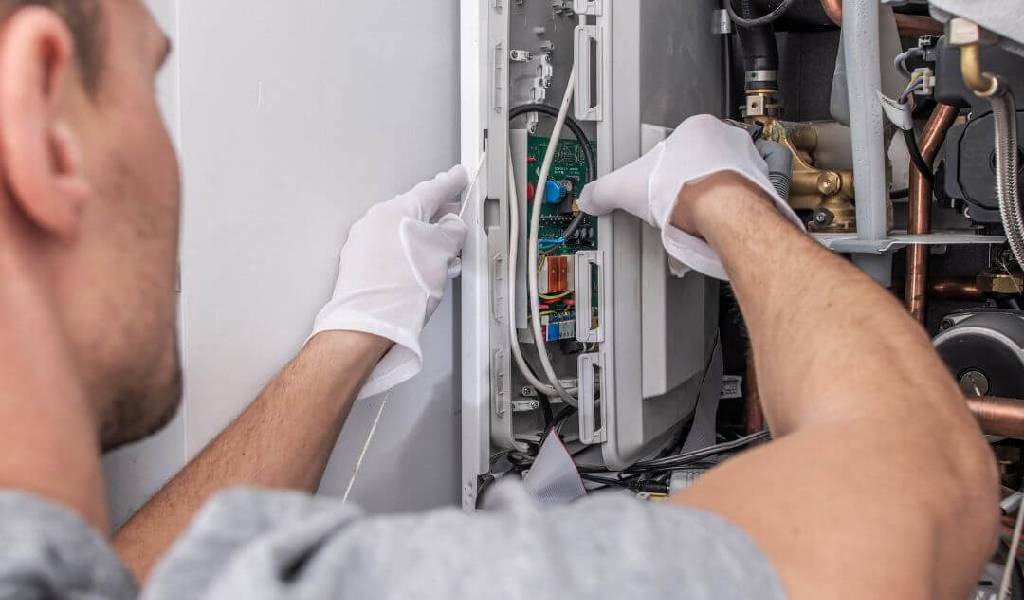
Smart ventilation works best when paired with broader home improvements, especially heat recovery systems and low-energy heating.
Key integrations:
Considerations Before Installing a Smart Ventilation System
Choosing the right system depends on your property type, insulation level, and long-term energy plans.
Building Type, Airtightness & Retrofit vs New-Build
Every property has a unique ventilation requirement.
Key points:
Upfront Cost vs Long-Term Savings & Maintenance
Smart ventilation systems are an investment, but one that pays back.
Key points:
Professional Installation & UK Compliance
Proper design is essential for performance and compliance.
Key points:
2025 Trends: What's Next for Smart Home Ventilation?
Smart ventilation is evolving quickly, driven by technology and sustainability goals across the UK.
Smart Home Integration & AI-Driven HVAC Automation
AI and automation are now transforming how ventilation systems behave.
Key points:
Rising Demand Across UK Homeowners & Renovators
Ventilation is now seen as essential, not optional.
Key points:
FAQs
Yes, heat recovery and smart controls significantly reduce heat loss, improving home energy efficiency and lowering heating bills.
Absolutely. Decentralised MVHR and dMEV systems are perfect for retrofits with minimal disruption.
Smart systems use low-energy EC fans designed for ultra-quiet operation, often barely noticeable.
Yes. Smart ventilation complements heat pump efficiency by reducing overall heating demand.
Typically every 6–12 months depending on usage and air quality.
Conclusion
Smart home ventilation systems are reshaping modern living by combining cleaner air, better comfort, and improved home energy efficiency, all with effortless automation. Whether you’re renovating a property or planning a new build, selecting the right ventilation system helps you prevent moisture, reduce heating costs, and create a healthier indoor environment year-round. With MVHR, decentralised systems, and advanced smart controls, the future of home ventilation is already here.
Ready to Upgrade to Smart Ventilation
If you’d like help choosing the right smart home ventilation system or want expert guidance on heat recovery solutions for your space, reach out to Ermen System and book a consultation. A specialist can assess your property, explain MVHR vs decentralised options clearly, and help you make the most energy-efficient decision for long-term comfort.