
Latest Blog
Choosing the Best Heat Recovery Ventilation System for Your Home: Expert Tips
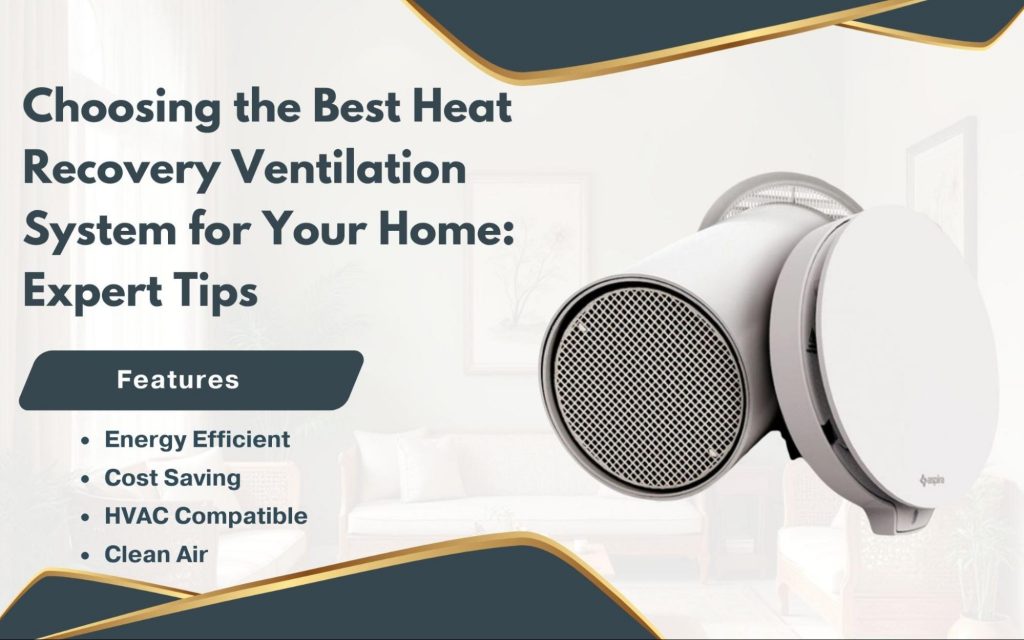
The best heat recovery ventilation system for your home is one that matches your property’s size, airtightness level, and ventilation needs while maintaining low noise and high energy efficiency. In the UK climate, where humidity and indoor air quality issues are common, choosing the right HRV system protects your home and improves comfort.
Finding the right solution can feel overwhelming, so this guide breaks everything down clearly and simply for UK homeowners.
What Is a Heat Recovery Ventilation System?
A heat recovery ventilation (HRV) system is designed to continually bring fresh, filtered air into your home while extracting stale, humid air, without wasting heat. Before exploring how to choose the best unit, it helps to understand how HRV works and why it has become standard in modern UK homes.
Key points:
- Provides continuous fresh air ventilation
- Recovers up to 90% of heat from outgoing air
- Reduces condensation, mould, and allergens
- Works exceptionally well in airtight or newly built homes
- Often referred to as a mechanical ventilation system with heat recovery
Why HRV Matters in UK Homes
UK homes, especially newer or retrofitted airtight houses, need consistent ventilation to avoid moisture build-up. HRV systems solve this problem while keeping heating bills low. Before choosing a model, it’s important to understand why HRV is not just a nice-to-have but a key part of a healthy, energy-efficient home.
Without proper ventilation, airtight homes can quickly develop unhealthy conditions.
Benefits for UK households:
- Helps meet Part F building regulations
- Reduces indoor humidity (especially in winter)
- Supports allergy relief with high-grade filtration
- Improves EPC scores and SAP performance
- Protects structural integrity by reducing moisture
How to Choose the Best Heat Recovery Ventilation System
Choosing the best heat recovery ventilation system depends on several key factors that influence performance, comfort, and long-term costs. Below we break down the essentials every homeowner should evaluate before selecting an HRV or MVHR unit.
Efficiency Ratings (Heat Recovery Performance)
Efficiency determines how much heat the system retains; higher efficiency means lower heating bills. Before comparing brands, check the system’s heat-exchange performance and certification.
Key considerations:
- Look for 80–95% heat recovery efficiency
- Higher efficiency = improved comfort + lower running costs
- Check for SAP Appendix Q approval (important for UK homes)
- Counterflow heat exchangers typically provide the best performance
Noise Levels (A Key Factor for Bedrooms & Living Areas)

Noise is one of the biggest complaints about poor-quality HRV installations. The best systems operate quietly enough to blend into everyday home life.
What to check:
- Noise levels measured in dB(A) at different fan speeds
- Systems with 20 dB(A) in bedrooms offer premium comfort
- Ensure ducting design reduces turbulence and airflow resistance
- Ask your installer about acoustic insulation options
Filter & Air Quality Performance
HRV systems not only ventilate your home, but they also filter pollutants like pollen, dust, vehicle emissions, and moisture. This is particularly important for families, allergy sufferers, and homes near busy roads.
Top filtering features to look for:
- F7 or F9 fine dust filters
- Optional carbon filters for odours and pollutants
- Filter replacement indicators
- Easy-to-access filter housings (maintenance-friendly)
Ducting & Space Requirements
Even the best HRV system performs poorly with restricted or poorly installed ducting. Understanding your home’s layout helps ensure the system works efficiently and quietly.
Important considerations:
- Choose a system that suits your loft, utility room, or ceiling space
- Rigid ducting is preferred over flexible ducting for airflow quality
- Ensure access for future filter changes and servicing
- Check airflow requirements per room (kitchen, bathroom, bedrooms)
Cost, Maintenance & Lifetime Value
Your goal should be to invest in a system that performs reliably for years—not simply the cheapest upfront option.
Cost factors to evaluate:
- Unit cost vs. lifetime savings
- Annual running cost (low-watt EC motors reduce consumption)
- Filter replacement costs
- Warranty length and service availability
- Installer expertise (poor installation = reduced efficiency)
Best HRV Options for UK Homes
While every home is different, UK homeowners generally get the best performance from systems designed for energy-efficient housing. This section outlines what makes an HRV system suitable, not specific brands, to keep the advice neutral and educational.
Recommended features for UK properties:
- High-efficiency counterflow heat exchanger
- Low noise levels suitable for urban or semi-detached homes
- SAP Appendix Q listed
- Demand-control ventilation optional
- Smart controls with humidity sensors
- Frost protection for colder months
Common Signs Your Home Needs an HRV System
If you’re unsure whether HRV is necessary, these homeowner-friendly indicators can help you identify the need. Understanding these signs ensures you choose a system before issues worsen.
Watch for the following:
- Condensation on windows (especially mornings)
- Mould growth in bathrooms or bedrooms
- Musty smells or poor indoor air quality
- High humidity during winter months
- Feeling of “stale” or stuffy rooms
- Allergy or respiratory irritation indoors
Frequently Asked Questions (FAQs)
The best system is one with high heat recovery efficiency, low noise output, proper ducting design, and compatibility with your home’s size and airtightness level.
Yes, HRV systems reduce humidity, improve air quality, and lower heating bills, making them ideal for UK climates.
Most high-quality systems last 10–20 years with regular filter changes and maintenance.
MVHR (Mechanical Ventilation with Heat Recovery) is the whole-house version of HRV, commonly used in modern airtight homes.
Final Thoughts
Choosing the best heat recovery ventilation system doesn’t have to be complicated. When you focus on efficiency, noise levels, ducting quality, and long-term value, you’ll find a system that keeps your home healthy, comfortable, and energy-efficient. For UK homeowners looking for expert installation and tailored advice, partnering with specialists like Ermen Systems ensures your HRV performs exactly as it should, quietly, efficiently, and reliably.
Ready to Install the Best HRV System for Your Home
IfGet expert guidance, professional installation, and a system tailored to your home’s needs. Ermen Systems helps UK homeowners improve air quality, reduce humidity, and maximise heat recovery performance with reliable, efficient solutions. Reach out today for personalised support.